Tag: Bob Dylan

  • Rod Stewart- Every Picture Tells a Story 55th Anniversary
    Rod Stewart- Every Picture Tells a Story 55th Anniversary

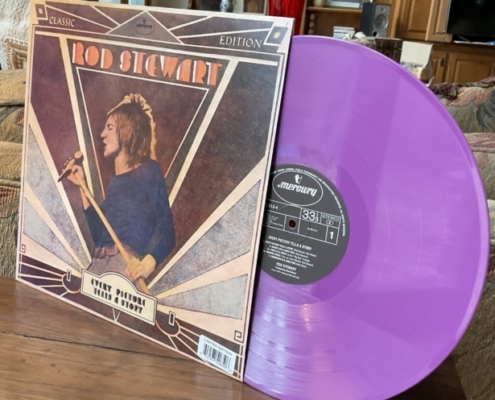
    “If you would’ve told me in 1970 that I would have a #1 hit in America…well, all around the world, actually…I’d have said ‘Forget it!’ ” admits Rod Stewart dismissively about  Every Picture Tells a Story, “especially since ‘Maggie May’ almost didn’t make the record!” Now that’s just one revelation in my charming classic rock interview commemorating Rod Stewart’s breakthrough Every Picture Tells a Story in May 1971, which also contained “Mandolin Wind”, impeccable choices of covers from Bob Dylan (“Tomorrow is a Long Time”), Motown (“I Know I’m Losing You”), Tim Hardin (“Reason to Believe”), and the slammin’ autobiographical “Every Picture Tells a Story”.

    When the Jeff Beck Group made their American debut at New York City’s Fillmore East, no one in the audience trying to follow young lead singer Rod Stewart, hiding behind the backline amps  due to major stage fright, could have imagined that the raspy-throated rooster-haired Englishman would become an international star just three years later with his third solo album, 1971’s Every Picture Tells a Story. There are so many wonderful tales behind the songs, the various musicians, and the recordings on Every Picture Tells a Story, and Rod Stewart does a marvelous job sharing them  all here in one of my favorite classic rock interviews. Plus Rod intimates some colorful, often hilarious stories about the legendary band he also fronted at the time, The Faces.

    In our critical first five episodes  back in 1988, In the Studio scored something of a major “get” for an upstart fledgling rookie on the crowded national weekly syndicated radio sweepstakes: an hour-long visit with superstar singer Rod Stewart, to explore his breakthrough 1971 solo effort Every Picture Tells a Story,  something that the Rodster was not known to do in the past. We agreed to meet at co-manager Randy Philip’s Beverly Hills house where, during the actual interview, we were interrupted by the delivery of a new shiny black Corvette convertible for Rod.  He admitted that it was the first American-made car that he ever owned (after the interview concluded, I gave the car dealer a ride back to his Beverly Hills office, alas in my non-descript rental!). If you listen carefully, at times you can hear Rod’s then-twelve year old blonde-haired daughter Kimberly watching television in an adjacent room while her dad charmed me for hours  at his storytelling best about this album, ranked at #171 on Rolling Stone magazine’s “Top 500 Albums of All Time”. And ladies & gentlemen, Rod Stewart was knighted by the late Queen Elizabeth. This despite the fact that at his first record company meeting, “They didn’t like me clothes, me nose, or me hair.” Upon the royal announcement, Sir Rod said: “I’ve led a wonderful life and have had a tremendous career thanks to the generous support of the great British public. This monumental honour has topped it off and I couldn’t ask for anything more. I thank Her Majesty and promise to ‘wear it well’.“ – Redbeard

  • Steve Earle- Guitar Town 40th Anniversary
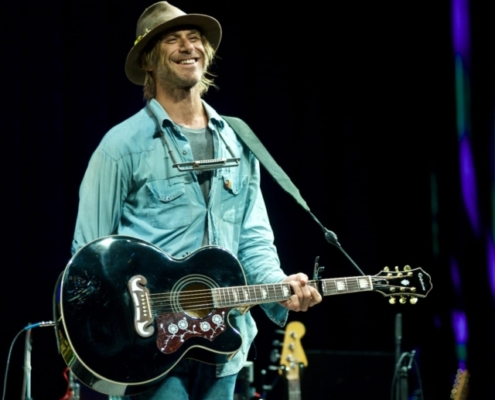
    Steve Earle- Guitar Town 40th Anniversary


    (PRNewsFoto/Universal Music Enterprises)

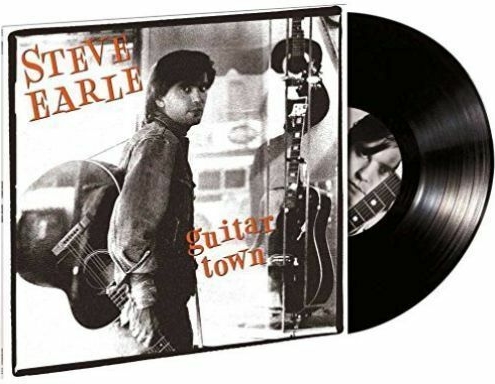
    In 1969 Bob Dylan went from New York City to Nashville Tennessee to make Nashville Skyline,  an album which fundamentally altered the courses of both rock’n’roll and country music. In 1973, young Texan Steve Earle went from San Antonio through Austin to Nashville for his 1986 debut Guitar Town,  which effectively had a similar influence on all those musical worlds, in the process helping to define the increasingly popular Americana sound. Some twenty years later, Earle finally pulled up stakes and moved from Nashville, telling me that he “was tired of living behind enemy lines”,  settling at New York City’s Washington Square after retracing Dylan’s original trail-blazing path. Except Earle did it backwards, which  if you have followed Steve’s colorful career, should come as no surprise.

    “When a truck driver tells me that he loves Guitar Town,” Steve Earle shares here In the Studio regarding his #1-charting Country debut in March 1986, “he’s relating to our common experience, which is we were both away from home for what we do for a living. And we missed seeing our kids grow up, even though we do completely totally different things for a living. What we have in common is that we travel, so Art and communication are about the similarities between us rather than the differences. And I think we spend too much time in this society lately trying to identify the differences between us and not enough figuring out how our experience is the same, as human beings.”

    “When I first started getting played on Country radio, everybody acted like I had sprung full-grown from the brow of (MCA Records Nashville head) Jimmy Bowen in 1986. And they always talked about me and Dwight Yoakam and Randy Travis in the same breath. And if anything, I’m a straggler from what was going on in Austin and Nashville in the mid-’70s. I had good teachers: Guy Clark, Townes Van Zandt, Jerry Jeff Walker, and B.W. Stevenson. And it was all about singer/songwriters (then). And when I first got to Nashville, on any given night you could go to Guy’s house, or John Lomax used to do parties at his house. And they’d have everybody, from the street level where I was to Mickey Newbury and Neil Young, with the guitar going around. So it was a good place to learn. Then, basically cocaine sort of created a caste system  and killed that real fast!”

    “Nashville is not a singer/songwriter town,” explained Steve. “They HAD a singer/songwriter, and his name was Hank Williams. And they decided that they never wanted that to happen again! And I KNEW that, trust me. I was Guy Clark’s protege’ and bass player. People like me and Guy and Steve Young and Lee Clayton, and even Kris Kristofferson before me, we didn’t think we were going to be big Country stars. Nobody was more surprised than I was when I had a #1 Country album. I had been in Nashville thirteen years. I had been passed on by every record label in the business. I was on my third publishing deal and wasn’t getting my songs covered. I have the dubious distinction of writing the first Johnny Lee record that didn’t  go to #1 !” “There’s a difference between what I do and what Kenny Chesney does,” explains Earle,” and it doesn’t mean that there’s anything wrong with what Kenny Chesney does. But I made a decision that I was gonna make Art at a certain level when I was sixteen years old, no matter what. And I’ve never complained about the fact that I’ve sold less records. I never thought that I got screwed. I really  am amazed that I’m able to make an embarrassing amount of money, for a borderline Marxist, doing something that I really, really love.”-Redbeard

  • Todd Snider, Prolific Songwriter, Gone at 59
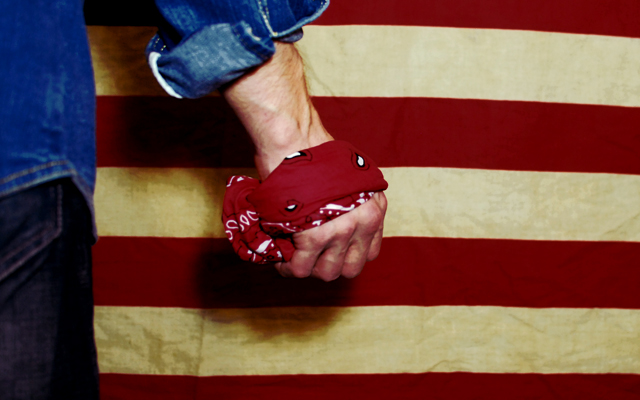
    Todd Snider, Prolific Songwriter, Gone at 59

    “I’ve only been good at this one particular grift. I can go into a Folk Music house and play those three chords…Anytime I’ve tried to deviate from my one little shtick that Keith Sykes taught me I’ve always ended up with the car in a tree.” – Todd Snider, July 2007

    It has been shocking to read reports of prolific singer/songwriter Todd Snider’s death, and it has been painful to read the the loss to so many in the Americana music world. So many of my personal friends and music business professionals who I love and respect clearly loved Todd Snider.To them and to all of Todd Snider’s fans, I offer my 2007 conversation with him where Todd is very much alive. May God welcome him home. Can’t wait to here what Todd comes up with next. -Redbeard 

  • Redbeard Rocks! Labor Day Playlist

    Redbeard Rocks! Labor Day Playlist

    As Huey Lewis so aptly sings,”I’m takin’ what they’re giving ’cause I’m workin’  for a living…”. But as the COVID-19 pandemic and lockdown shrank in the rearview mirror, millions of Americans  re-evaluated that notion. Here is a Spotify playlist with ninety minutes of job-themed songs from A to Z, “A Hard Day’s Night” to ZZ Top “Just Got Paid”. Punch the clock, log off, hit the road, and crank these songs celebrating how hard you work to make this country work. These songs from Styx, Bruce Springsteen, BTO, James Taylor, R.E.M., John Mellencamp, John Lennon, Bob Dylan, Genesis, Pretenders, Loverboy, Elvis Costello, Isley Brothers, and Rush on RedbeardRocks/Spotify playlist will “do the job” this Labor Day weekend! –Redbeard

  • The Band- Stage Fright- Robbie Robertson
    The Band- Stage Fright- Robbie Robertson

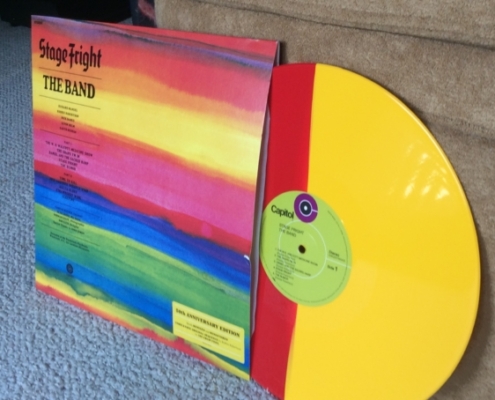
    Listening now to Music from Big Pink, plus the eponymous second effort from The Band, and August 1970’s Stage Fright, it is hard for me to remind myself that Robbie Robertson, the fulcrum upon whose songs The Band leveraged rock music so magnificently for so many years, is no longer amongst the living. Robertson’s musical tales, and the places and characters who inhabited them, seemed so vividly alive and timeless that, by extension, I imagined that the composer somehow would be, too.

    The Band’s 1968 initial offering, ranked at #34 on that  list. That was almost twenty places higher than The Beatles‘ debut, and the eponymous 1969  second album The Band landed almost as high at #45 all time. Then completing the trifecta, the sublime third effort, Stage Fright, released in August 1970, went Top 5 and sold over a million copies. When The Call’s main songwriter/singer Michael Been passed away suddenly in 2010, a quote was attributed to him in his obituary where he claimed to have seen The Band in concert at age 18, which set Been on a life’s course of music literally until the day that he died. Watching Martin Scorsese’s The Last Waltz, The Band’s Thanksgiving 1976 swan song , shows how that kind of epiphany could happen. But the earliest work of this quintet with the generic name is no less impressive. As Robertson and I convened for another session, this time upstairs at LA’s Village Recorder just off Sunset Boulevard, when I snagged Rock and Roll Hall of Famer Robbie Robertson  for In the Studio episode #11, I was keenly aware that The Band’s Music from Big Pink  debut album was even then enjoying classic status. In that and subsequent interviews, we discussed in great detail both this most eclectic stand-alone unit with main songwriter/ guitarist Robertson, fellow Canadians keyboardist Garth Hudson; singer/pianist Richard Manuel ; singer/ bass player Rick Danko; and Arkansan singer/ drummer/ mandolin player Levon Helm; plus as the touring band who supported folk singer Bob Dylan during his highly controversial transition to an electric rock’n’roll presentation. In his best-selling autobiography, no less than the great Eric Clapton confesses to having one musical mission after Cream broke up: joining The Band.! And apparently it was no idle passing fancy, because Clapton journeyed from London to upstate New York’s sleepy village of Woodstock to offer his services.  At some point he realized that they already had a guitar player in Robbie Robertson, and Eric returned to his Hurtwood manor to jam with Steve Winwood and form Blind Faith instead. Widely viewed along with Bob Dylan, The Byrds, and Gram Parsons as  fathers of  the Americana musical movement, The Band also may have  been one of rock’s first alternative groups. In part one of this classic rock interview, main songwriter Robbie Robertson (“The Weight”,”The Night They Drove Ol’Dixie Down”,”Up on Cripple Creek”,”The Shape I’m In”) helps me make that case for this band, members all of the Rock’n’Roll Hall of Fame.  “The Weight”, “Chest Fever”, and a haunting acapella version of Dylan’s “I Shall Be Released” featuring the uncanny vocal harmonies of Manuel, Danko, Robertson and Helm, all now silenced by time but preciously preserved here in this essential classic rock interview show. Robbie Robertson has died after a long struggle with prostate cancer. Robbie was 80 when he passed; his soul seemed centuries older. – Redbeard 

  • Traveling Wilburys Vol 1- the late George Harrison and Tom Petty
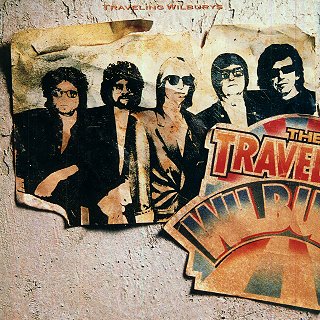
    Traveling Wilburys Vol 1- the late George Harrison and Tom Petty

    Each night on the 2018 sold out Jeff Lynne/ELO concert tour, one of the biggest crowd roars came when Lynne performed a song from his “other band”, the Traveling Wilburys. Lynne flashed brief melancholy glimpses on the big screen behind him of the time in 1988 when rock’s ultimate Dream Team convened at a barbeque attended by Lynne, George Harrison, Tom Petty, and Bob Dylan (with Roy Orbison soon to follow). “Handle with Care”, “Last Night”, “Not Alone Anymore”, “Tweeter and the Monkey Man”, and the prescient “End of the Line” are all included here, as the late George Harrison and now dearly departed Tom Petty left us my classic rock interviews In the Studio to tell how the stars improbably aligned then.

    Much portrayed as “the moody one” during his Beatles years, in actual fact George Harrison had an impish sense of humor. “Silly, really,” he told me, “really silly.” So it is completely imaginable that George (a former executive producer of Monty Python movies) and Electric Light Orchestra leader Jeff Lynne would concoct a fictitious band of mythic proportions, The Traveling Wilburys, to amuse themselves while laboring in Fall 1987 over Harrison’s terrific comeback album, Cloud Nine. Engaging every rock cliche ever used to describe Harrison’s and Lynne’s long careers, they first named their imaginary band of brothers The Trembling Wilburys.

    From left: Bob Dylan, Jeff Lynne and Tom Petty, along with George Harrison and Roy Orbison, those last three now deceased.

    When Lynne subsequently produced the Mystery Girl  album for his idol Roy Orbison, and then Tom Petty’s first solo album Full Moon Fever  after Petty and the Heartbreakers had toured as Bob Dylan’s band, there was a magnum of mojo juice bubbling up to the surface. When they all found themselves at a barbeque in Bob Dylan’s front yard at the same time that George Harrison was on deadline to deliver a single “B” side within 48 hours,”It was just too good to miss, ” Harrison relates in my classic rock interview, “so I conned them into doing it!”So the brothers Wilbury, Nelson (Harrison), Lucky (Dylan), Lefty (Roy Orbison ), Otis ( Lynne ), and Charlie T jr (Petty) comprised a dream team of rock’s hall of fame super elite as the Traveling Wilburys, featuring five rhythm guitar players no less, achieving #3 sales success with ” Handle With Care”,”Tweeter and the Monkeyman”,” Rattled”, “Heading for the Light”, the scintillating Lynne-penned Roy Orbison vocal masterpiece “You’re Not Alone Anymore”, and the poignant, almost prescient closer, “The End of the Line” (Orbison passed away suddenly two months after this album was released, then Harrison in November 2001, and now Petty). With archival comments from  both George Harrison and  Tom Petty in these cherished classic rock interviews, the Gone Gator reminds us In the Studio that the Traveling Wilburys Vol 1  “…is not a dream come true, because it’s not the kind of thing you’d even dream! It was just so great. I’m just happy to have had them in my life. I think that a lot of the positive things that have gone on with me are because I’ve had the support of such good friends.” – Redbeard

  • Jimi Hendrix Experience- Electric Ladyland pt2- Mitch Mitchell, author John McDermott
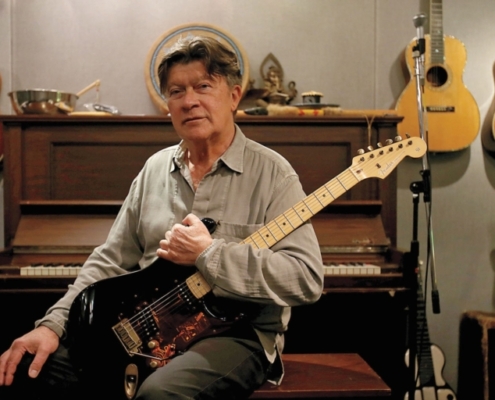
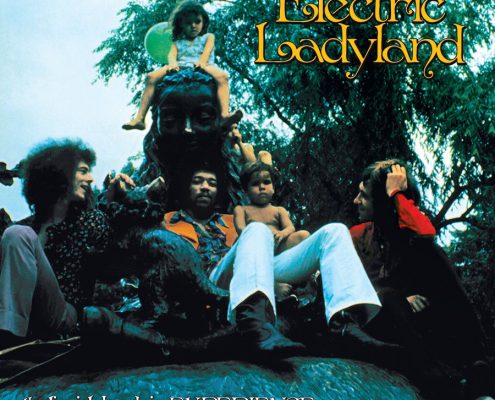
    Jimi Hendrix Experience- Electric Ladyland pt2- Mitch Mitchell, author John McDermott

    Jimi Hendrix and his British trio the Experience created a landmark double album in 1968 called Electric Ladyland,  but now this deep into the 21st century it may be difficult for many to fully understand the context in which it was made and the world into which it was subsequently released. When Hendrix had been “discovered” by Animals bass player Chas Chandler only two years earlier in a New York City Greenwich Village club on the equivalent of “open mic night”,  Jimi was fresh off the chitlin circuit purely as an anonymous sideman. After relocating  to London with the veteran Chandler as mentor/co-manager/producer, Hendrix released two game-changing albums before returning back to America.
    But as you will hear in the conclusion of this classic rock interview with biographer/ reissue producer John McDermott plus one of the last interviews with Jimi Hendrix Experience drummer Mitch Mitchell, neither Chandler nor Experience bass player Noel Redding were on board with the change. Hendrix’s joy to be back is apparent in his embrace of many formative musical influences including soul, rhythm and blues, and jazz, but the fact that the April 1968 assassination of the leader of the American civil rights movement, the Rev. Dr.Martin Luther King jr, which had touched off violent race riots across many major U.S. cities, shattered any naivete that here was an African-American leading an otherwise all white band on tour across the U.S., including the heavily segregated South, during the most violent year in America since World War II. –Redbeard

  • The Band’s Robbie Robertson

    The Band’s Robbie Robertson

    Robbie Robertson of The Band, the most North American of Rock’n’Roll Hall of Fame musicians, passed away at age eighty in August 2023 after battling prostate cancer. Robbie Robertson truly deserved the designation Recording Artist. Immensely talented as a writer, for the last sixty-five of those years Robertson collaborated successfully with a Who’s Who of American auteurs in popular music and film, from Ronnie Hawkins & the Hawks, Bob Dylan, The Band, to filmmaker Martin Scorsese. A very young, dapper Robbie Robertson, center in white shirt, with The Band.

    Robbie Robertson was a big supporter of In the Studio even before it’s inception in 1988 (our very first meeting was in 1987 to discuss his first solo album,  Robbie Robertson, a personal fave to this day) and was always generous with his time, participating multiple times in thoughtful, intelligent conversations. By appearing in one of In the Studio‘s first ten rockumentaries, Robbie Robertson gave our fledgling effort instant credibility in the competitive field of rock music journalism. As an elder statesman of twentieth century rock, as well as 21st century film soundtracks, we were blessed by his stories, wit, and wisdom multiple times here In the Studio.

    Robbie Robertson was a wonderful guy, and it is hard to say goodbye. As Bob Dylan wrote and The Band sang, “Any day now, I shall be released.” -Redbeard

  • The Byrds- Roger McGuinn, Chris Hillman, the late David Crosby
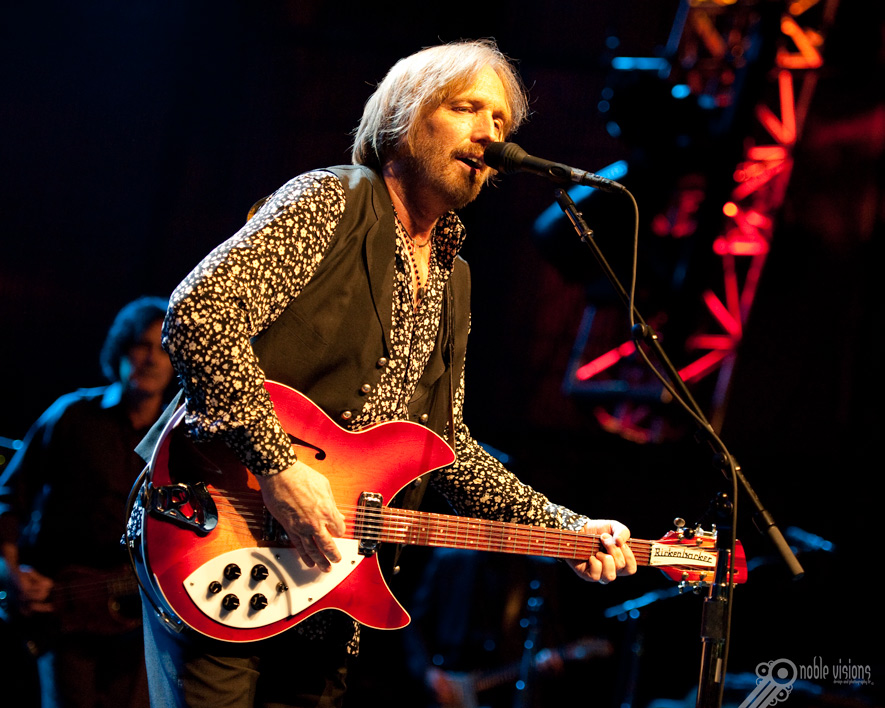
    The Byrds- Roger McGuinn, Chris Hillman, the late David Crosby

    In a 24-month period beginning in Summer 1965, Los Angeles-based band The Byrds recorded and released four evolutionary albums which wrested away the world’s focus from the tidal wave of British Invasion bands led by The Beatles. The members of the original Byrds – singer/songwriter/electric 12-string guitar player Roger (Jim) McGuinn, singer/songwriter David Crosby, the talented but tortured late singer/songwriter Gene Clark, bass player Chris Hillman, & the late drummer Michael Clarke – were always unabashed in their acknowledgment of their influences, equal parts American folk singers, Bob Dylan, and the Beatles. Yet instead of being hopelessly derivative, somehow the Byrds ended up being one of the greatest imprints on both the form and substance of rock and country music to this day.

    Many of my classic rock interviews have subsequently been used in DVDs and feature films, but never more prominently than these conversations with The Byrds Roger McGuinn, David Crosby, and Chris Hillman in the two-part rock documentary now running on Epix called Laurel Canyon. McGuinn, Crosby, and Hillman join me in this ultra-rare classic rock interview covering the first four Byrds albums Mr Tambourine ManTurn Turn TurnFifth Dimension, and Younger Than Yesterday in February 1967. – Redbeard

  • Tom Petty and the Heartbreakers- Rainy Day Women #12 & #35- Gainesville 11-4-93

    Tom Petty and the Heartbreakers- Rainy Day Women #12 & #35- Gainesville 11-4-93

    Maybe I chose this terrific version of Bob Dylan‘s “Rainy Day Women #12 and #35“, performed by Tom Petty and the Heartbreakers at a homecoming Gainesville FL concert in November 1993, because the calendar says 4-20.  But then again, with Tom Petty and the Heartbreakers performing live, do you really need a reason? – Redbeard