Tag: biggest selling albums 1983

  • Genesis-“Mama” Album- Phil Collins, Mike Rutherford,Tony Banks
    Genesis-“Mama” Album- Phil Collins, Mike Rutherford,Tony Banks

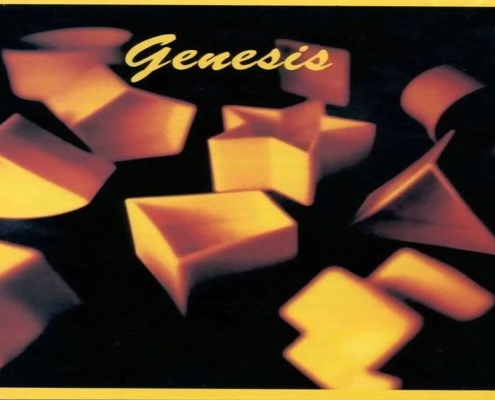
    Prepping for another significant album interview, specifically the quadruple platinum Genesis (’83), the sheer prolific output of the English progressive rock band became obvious: Genesis was already in double figures for studio album releases by the early Eighties. Between 1980 and 1986, the British trio Genesis released a series of four consecutive hit albums, each one more successful than its predecessor by as many as five times. Because drummer/singer/songwriter Phil Collins had a parallel solo career take off during that same time period,  several critical reviews from  respected music writers in this time imply that Genesis guitarist Mike Rutherford and keyboardist Tony Banks unwittingly, if not unwillingly, were somehow led by Collins in a more mainstream pop direction. However, the simple facts evidenced by just actually listening to those Genesis albums don’t bear out that assumption.

    On the 1983 eponymously titled album Genesis, songs such as the dirge-like “Mama” and the spectacular showstopper “Home by the Sea/Second Home” were nowhere near the pop mainstream. “That’s All “, “Illegal Alien”, and “Taking It All Too Hard” were indeed mainstream hits, but in Rutherford’s “Just a Job to Do”,  Genesis addressed the issue of state-supported shadowy covert  surveillance and even torture, later the subjects of  major films Rendition  and Zero Dark Thirty,  as well as US Congressional hearings. Not exactly the stuff of your typical pop pablum. Barely three years later the astonishing 15 million-seller Invisible Touch , with “Land of Confusion” going Top Five as a single, would say a lot more about the changing mainstream tastes in 1986 rather than any musical agenda by the Genesis band, and by running over nine minutes long, the #3 hit “Tonight, Tonight, Tonight” would effectively silence any silly debate about pop vs. rock or hidden agendas!

    genesis_wall02_800x600-2-
    Moreover, it wasn’t just Collins who was branching out: by the time his 1982 second solo album Hello I Must Be Going  made Phil a star in his own right, Rutherford and Banks had each done no less than two solo efforts apiece. Instead of siphoning off creativity and diluting Genesis of strong material, my guests Mike Rutherford, Tony Banks, and Phil Collins maintain that their respective multiple solo albums clearly inspired the group to lift any self-imposed restrictions to the Genesis sound, as you will hear in my  classic rock interview In The Studio  about which the guys still refer to as their “Mama Album”. -Redbeard

  • The Police- Synchronicity- Sting, Stewart Copeland
    The Police- Synchronicity- Sting, Stewart Copeland

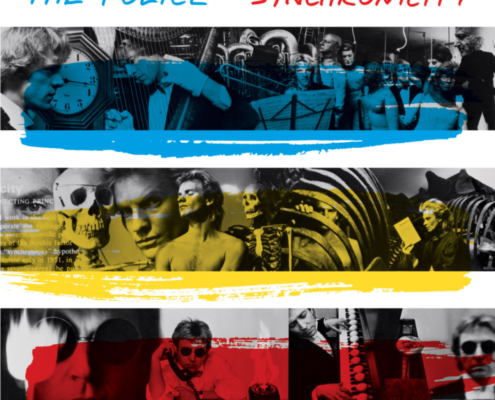
    The fifth, arguably the finest, yet the final studio recordings by the Anglo-American trio The Police, Synchronicity in 1983 slapped the cuffs on an arresting recorded legacy left by the band. Synchronicity went to #1 sales on both sides of the Atlantic, sold more than eight million in the US alone, was nominated for five Grammys, and won three. Rolling Stone magazine ranks Synchronicity by The Police at #159 on its list of 500 Greatest Albums of All Time.

    With 1978’s formative Outlandos d’Amour,  the UK breakthrough Regatta de Blanc,  their 1980 worldwide hit Zenyatta Mondatta,  and the more experimental Ghost in the Machine  the following year, you could debate whether the first four  albums by the Anglo-American band The Police  were significant enough, creatively and commercially, to issue a warrant to book them into the Rock and Roll Hall of Fame. Yet this fact is certain: the 1983 Police album  Synchronicity  guaranteed it. Synchronicity was so massively appealing that millions purchased it, as well as the preceding four Police albums, in numbers great enough to place all five on the 1983 sales chart simultaneously at year’s end! Drummer Stewart Copeland, the sole American, figuratively was the Police commissioner in London in 1977, forming the band at the height of the Punk Rock scene, but like guitarist Andy Summers, the veteran of the force, and chief of Police singer/bass player/songwriter Sting, none of them were actually spawned by that minimalist scene. In the long tradition of white musicians copping authentic black music, the reggae influences so prominent on those first two Police albums had been homogenized by the time of Synchronicity‘s  June 1983 release enough that the band was not handcuffed by the musical conventions of either punk or reggae on mega-hits “Every Breath You Take”,”King of Pain”,”Wrapped Around Your Finger”, and the title song. There are a few self-appointed online hacks implying that The Police were no more than two side musicians helping to realize the early songs of singer/songwriter Sting, but if you check their credentials, these clueless Justin-come-latelies never actually spoke to them or even saw the band. Cops of Rock Stewart Copeland and  Sting open this Police inquiry with me  In the Studio  for the definitive classic rock interview regarding the making  of  Synchronicity. – Redbeard

  • The Fixx- Reach the Beach- Cy Curnin, Adam Woods
    The Fixx- Reach the Beach- Cy Curnin, Adam Woods

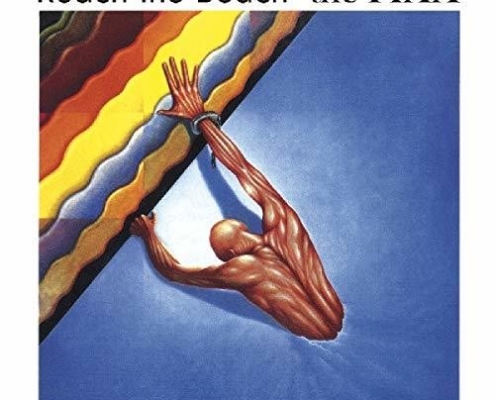
    “The backstage party at Woodstock had turned really mushy by then,” joked London’s The Fixx lead singer/songwriter Cy Curnin, by way of contexting their second album, Reach the Beach and the dawn of the Eighties musically.”You know, the backstage passes had been picked up (figuratively) laying around outside. ‘I finally got my backstage pass to Woodstock!’ And it’s six years later.” The Fixx drummer Adam Woods chimes in about why Punk Rock and its post-punk progeny like The Fixx had to happen. “But the main problem was it (the rock elite) was inaccessible. There was no way we were going to be able to join that spirit that the Woodstockers had. They were an exclusive club that you couldn’t get into. So I think a musical movement started that was outside the club door, where if you’re going to have a membership problem, all the good stuff’s going to be out in the street.”

    Reach the Beach  by The Fixx was a remarkably strong two-million seller in its time, spawning “One Thing Leads to Another”(#4 on Billboard),”Saved by Zero”, “Sign of Fire”, and yet remains a seemingly under-appreciated album when discussing that period today. By definition, contemporary music is conceived, expressed, and thereby influenced by the condition of the world in which it finds itself. It is safe to say that the transition from the end of the 1970s decade into the  dawn of the Eighties was marked in most things by the inexorable forces of change being met head on by the enormous resistance of intransigence and intractability, like two tectonic plates trying to occupy the same space. And as  so often is the case, the most striking manifestation of that geopolitical fault line between the past and the future may have been evident in the world of early Eighties music.

    Reflecting back on their 1982 debut Shuttered Room  and its 1983 multimillion-selling follow up, Reach the Beach,  Londoners Cy Curnin and Adam Woods of The Fixx reminded us that the loud, brash, but brief Punk Rock purge had successfully shaken the rock Brahmins out of their collective bloated complacency by the Eighties. But the Punks did not tell rock where to go next. Songs including “Stand or Fall”, “Red Skies at Night”,”Saved By Zero, the #4 US hit “One Thing Leads to Another”,”Deeper and Deeper”, and “Are We Ourselves all have proven to be  remarkably Built for the Future. (This  episode of In the Studio dedicated to Raymond McGlamery).- Redbeard

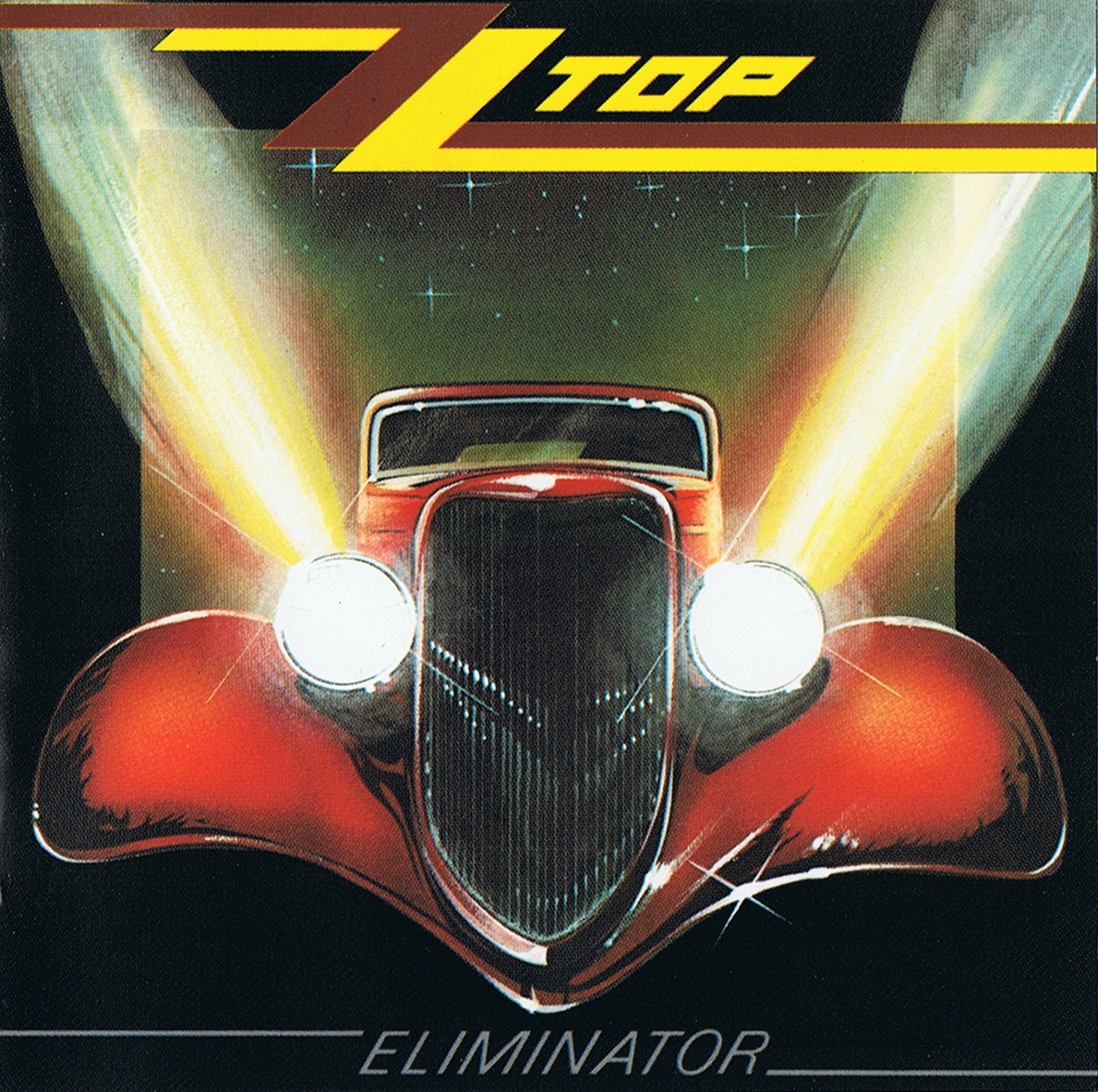
  • ZZ TOP- Eliminator- Billy Gibbons, Frank Beard, the late Dusty Hill

    ZZ TOP- Eliminator- Billy Gibbons, Frank Beard, the late Dusty Hill

    Prior to the March 1983 release of ZZ Top’s Eliminator, it’s not like the Texas trio had been struggling or anything. Billy Gibbons, Dusty Hill, and Frank Beard had  been releasing albums and touring for over a decade, and Gibbons had been elevated among the rock world’s most prestigious guitar players as a wholly original and immediately identifiable Tone Monster. But Eliminator, with its four Top Twenty hits, modern ear candy updated production, and campy, quirky videos blanketing the new 24-hour video channel MTV then, was a flat-out international phenomenon.

    Up to ZZ Top’s March 1983 release Eliminator, one of my secret weapons at making ROCK 103 the top-rated radio station in Memphis from 1980 through 1983 was the friendship that developed with the late legendary studio owner John Fry and his  wonderfully talented staff at the world-renowned Ardent Studios nearby. As it turned out, one of my personal favorite bands, Houston-based ZZ Top, had discovered the high caliber, low key facility as early as their 1973 breakthrough album Tres Hombres,  and in typical Bill Ham style ( the band’s colorful longtime manager and producer who passed away in 2016), “if it ain’t broke, don’t fix it”. So ZZ Top proceeded to make every subsequent album there with ace Ardent recording engineer Terry Manning, with titles en Espanol including Fandango,  Tejas,  DeGuello, and El Loco.

    By February 1983, ROCK 103’s owner decided to reinvest some of the record revenues back into the facility with a major control room studio update, complete with new broadcast console, electronics, and JBL monitors. When I mentioned this fact to ZZ Top’s veteran recording engineer Terry Manning, he replied,”Before you go ‘live’ to broadcast with your new studio, would you allow me to play the master mix of the unreleased ZZ Top album in there?” I could not believe my good fortune! Terry arrived with two large metal reels of tape, loaded them onto the pristine new Studer reel machines, and pushed the “play” button. What happened next absolutely blew me away: “Gimme All Your Lovin’ “, followed in rapid succession by “Got Me Under Pressure” and “Sharp Dressed Man” played at about rock concert sound level, left me in sensory boogie overload. It was just too good to absorb the sonic banquet that ZZ Top was serving up. And just when I begged “Have mercy!” to break from the intensity of Billy Gibbons’ feedback-soaked “squanking” guitar, the late Dusty Hill’s propulsive bottom end, and Frank Beard’s in-the-pocket drumming, the song sequence shifted to the cascading midnight blues of “Need You Tonight”; the Dusty raunchy rave up “I Got the Six”, the international hit “Legs”, and the grinding smoldering groove of “TV Dinners”. In just a few weeks the rest of the world would soon discover what I had experienced that day, responding by purchasing over 15,000,000 copies of Eliminator  worldwide. And yes, the series of clever, campy videos on the upstart MTV video channel in America undoubtedly had much to do with that staggering level of popularity (truly ironic, since manager Ham had steadfastly kept ZZ Top off of U.S. television until then). But the songwriting, musicianship, modern arranging, and state-of-the-art recording on Eliminator  which I first heard March 1983 was truly extraordinary.  
    (Backstage in Grand Prairie TX November 2007 front row L-R Billy Gibbons, Redbeard, Frank Beard, the late Dusty Hill )

    ZZ Top’s Billy Gibbons and Frank Beard are my guests here In the Studio  to document “Gimme All Your Lovin’ “,”Got Me Under Pressure”,”Sharp Dressed Man”,”Legs”, “TV Dinners”, the smoldering blues “I Need You Tonight”, and of course I will share my archival interview with the late rave-up singing bass player, Dusty Hill, in tribute. -Redbeard

  • U2- War- Bono,The Edge, Adam Clayton, Larry Mullen jr
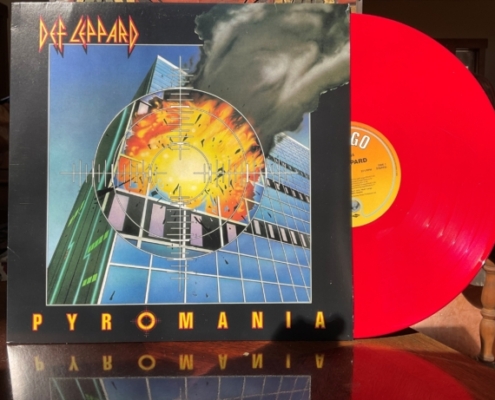
    U2- War- Bono,The Edge, Adam Clayton, Larry Mullen jr

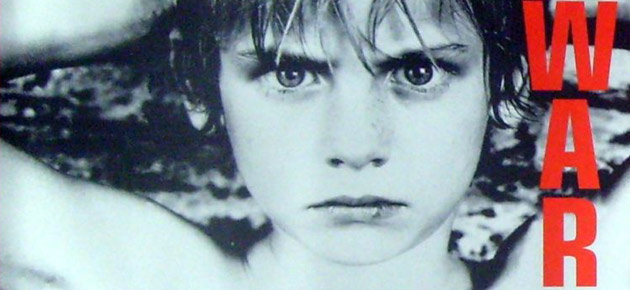
    There is considerable revisionist history floating about as if there were these high expectations in March 1983 for Dublin quartet U2 and their third album, War. In actuality, in America all we had heard that showed real promise  were  two flashes of brilliance, “I Will Follow” and “Gloria”, albeit a year apart. With the rousing martial rhythms from Larry Mullen jr’s drums on the opening to “Sunday Bloody Sunday”, the tortured passion evident in Bono’s voice over The Edge’s stiletto guitar stabs on “New Year’s Day”, and Adam Clayton’s rolling bass on “Surrender” as well as “Two Heats Beat as One”, U2 declaring War  was a musical proclamation of a serious contender on the unfolding Eighties modern rock vista.

    But my ignorance then about the issues, the struggles, and yes, the violence which carved Bono’s lyrics and shaped the album’s sonics provided only a temporary respite from the harsh realities of sectarian violence in Northern Ireland and Poland’s Solidarity Movement. I dare say that for most Americans pre-9/11/2001, the U2 song ”40”‘s refrain, “How long to sing this song, How long?” had a completely different meaning in 1983 for 15,000 suburban Denver yuppies at Red Rocks Amphitheater than it did for Dublin native Ken Aiken, who would emigrate to the US and help us pioneer XM Satellite Radio in 2000; or rookie London Metropolitan Police officer Patrick Moore, who I met as an exchange student in Memphis in 1978. Ignorance might have you believe that the continuing violence in Northern Ireland at the time of U2  War  was simply an ancient grudge dating back 300 years to when Englishmen Oliver Cromwell and William of Orange plundered Ireland’s Catholic monasteries, murdering the priests and raping the nuns in a slaughter that eventually killed an estimated half of the Irish population. Ignorance, plus the passage of time, could shroud the 1972 killings of 14 at Bogside Derry, or the July 1982 London Hyde Park and Regents Park terrorist bombings during the popular tourist attraction changing of the guard, which killed 11 plus 7 ceremonial horses.

    All that it took to lift the blindness of ignorance was simply my first trip to Dublin in 1988. I saw firsthand how real fear gripped these people in their daily lives, from an evil madness so insidious that it would not even be spoken of in conversation. This was the War  about which U2   wrote and sang in 1983 (watch the true story film Omagh to witness that evil actually looks and talks just like you and me).“For he is our peace who has made us both one, and broke down the dividing wall of hostility…And might reconcile us both to God in one body through the cross, thereby bringing hostility to an end.” Who do you think said that? Former British Prime Ministers John Major, Margaret Thatcher, or Tony Blair? Maybe Provisional IRA political Sinn Fein leader Gerry Adams? Actually it was written 2000 years ago in a letter to the Christian church members at Ephesus by the Apostle Paul of Tarsus (Ephesians 2:14). –Redbeard

  • Def Leppard- Pyromania- Joe Elliott, Phil Collen, Rick Savage
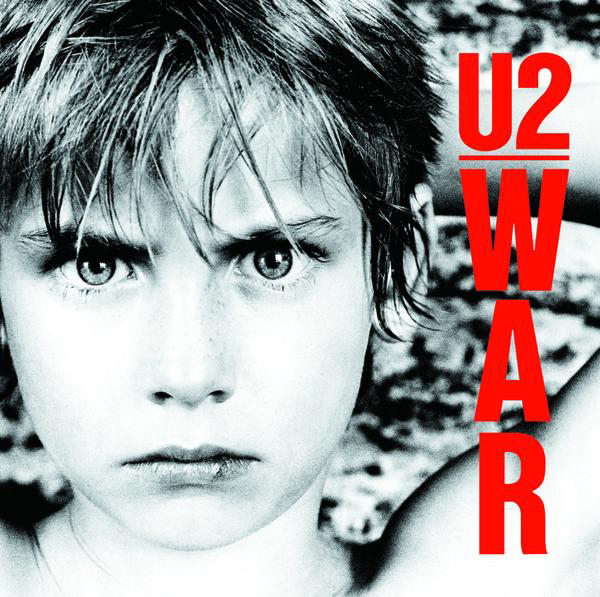
    Def Leppard- Pyromania- Joe Elliott, Phil Collen, Rick Savage

    As it turned out, In the Studio episode #13 was a very lucky number for us in Summer 1988 because we were able to feature Def Leppard,  the band which pretty much lit the match for the Pop Metal Eighties explosion five years earlier with Pyromania, at precisely  the time when they were cresting worldwide in popularity with the blockbuster follow up, Hysteria. It had been a wonderful personal experience to watch the sweet, kind, grounded guys in the Sheffield England band Def Leppard grow up literally in public on their way to induction on the first ballot into the Rock and Roll Hall f Fame. I had the great pleasure of meeting and interviewing several of the band members in Memphis on their first U.S. tour supporting their debut, On Through the Night,  when not one of them was out of their teens (drummer Rick Allen, at age 15, was working in the country technically illegally!).Their delight in being on the same bill as their heroes Thin Lizzy and Scorpions playing in America back then was positively puppy dog endearing, but three years later with their third album, January 1983 release Pyromania,  suddenly the pecking order inverted almost overnight as the album went on to sell more than ten million in just the States, simultaneously setting the pop metal path that countless bands would follow throughout the 1980s. Def Leppard lead singer Joe Elliott, bass player Rick “Sav” Savage, and late ’82 addition on lead guitar, Phil Collen, joined me In the Studio   for Pyromania.- Redbeard

  • U2- New Year’s Day- 1987

    U2- New Year’s Day- 1987

    The 35th anniversary of U2‘s breakthrough album War   is looming next month, so to celebrate Bono, The Edge, Adam Clayton, and Larry Mullen jr returning In the Studio to recall the times, here is a live version of “New Year’s Day” from the 1987 tour. –Redbeard