
Posts
 https://www.inthestudio.net/wp-content/uploads/2023/03/Clapton-Winwood-_Tease_07.mov.Still003-e1679433834428.jpg
338
600
Red Beard
https://www.inthestudio.net/wp-content/uploads/2017/01/ITS-COLOR-white-studio.png
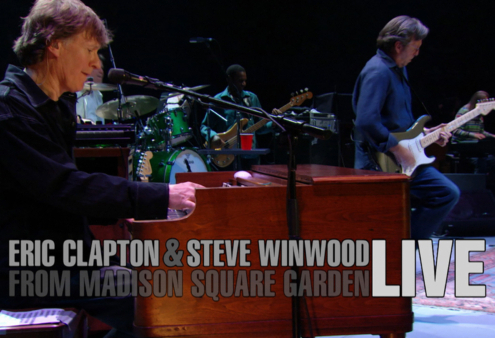
Red Beard2023-03-26 17:46:522023-05-07 16:44:06Eric Clapton & Steve Winwood Live
https://www.inthestudio.net/wp-content/uploads/2023/03/Clapton-Winwood-_Tease_07.mov.Still003-e1679433834428.jpg
338
600
Red Beard
https://www.inthestudio.net/wp-content/uploads/2017/01/ITS-COLOR-white-studio.png
Red Beard2023-03-26 17:46:522023-05-07 16:44:06Eric Clapton & Steve Winwood Live https://www.inthestudio.net/wp-content/uploads/2015/08/slider-john-barleycorn-traffic.jpg
338
630
Red Beard
https://www.inthestudio.net/wp-content/uploads/2017/01/ITS-COLOR-white-studio.png
Red Beard2022-11-28 11:00:182026-10-01 17:52:23Traffic- John Barleycorn Must Die- Steve Winwood, the late Jim Capaldi
https://www.inthestudio.net/wp-content/uploads/2015/08/slider-john-barleycorn-traffic.jpg
338
630
Red Beard
https://www.inthestudio.net/wp-content/uploads/2017/01/ITS-COLOR-white-studio.png
Red Beard2022-11-28 11:00:182026-10-01 17:52:23Traffic- John Barleycorn Must Die- Steve Winwood, the late Jim Capaldi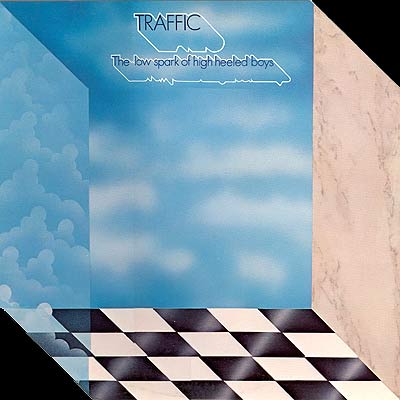 https://www.inthestudio.net/wp-content/uploads/2014/02/traffic_lowf.jpg
400
400
In The Studio with Redbeard
https://www.inthestudio.net/wp-content/uploads/2017/01/ITS-COLOR-white-studio.png
In The Studio with Redbeard2021-12-13 18:29:392026-05-03 23:02:52Traffic- Low Spark of High Heeled Boys- Steve Winwood,the late Jim Capaldi
https://www.inthestudio.net/wp-content/uploads/2014/02/traffic_lowf.jpg
400
400
In The Studio with Redbeard
https://www.inthestudio.net/wp-content/uploads/2017/01/ITS-COLOR-white-studio.png
In The Studio with Redbeard2021-12-13 18:29:392026-05-03 23:02:52Traffic- Low Spark of High Heeled Boys- Steve Winwood,the late Jim Capaldi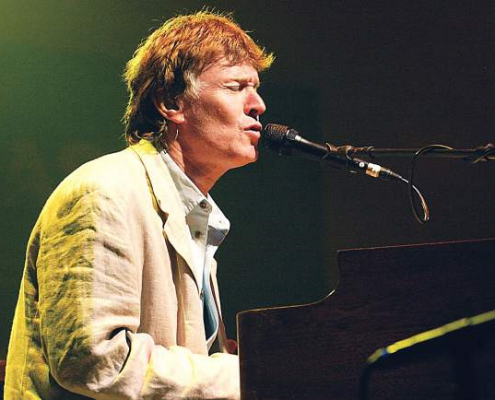 https://www.inthestudio.net/wp-content/uploads/2018/03/STEVE-WINWOOD-organ-2-untitled.png
434
620
Red Beard
https://www.inthestudio.net/wp-content/uploads/2017/01/ITS-COLOR-white-studio.png
Red Beard2021-06-06 17:15:482021-12-04 17:41:28Steve Winwood – Why Can’t We Live Together?
https://www.inthestudio.net/wp-content/uploads/2018/03/STEVE-WINWOOD-organ-2-untitled.png
434
620
Red Beard
https://www.inthestudio.net/wp-content/uploads/2017/01/ITS-COLOR-white-studio.png
Red Beard2021-06-06 17:15:482021-12-04 17:41:28Steve Winwood – Why Can’t We Live Together?