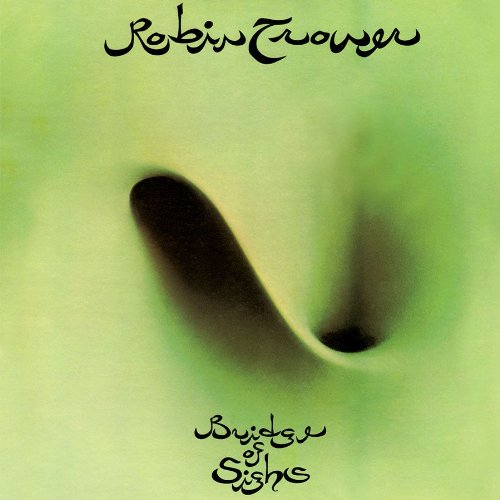
Apparently Robin Trower’s Bridge of Sighs album, released in April 1974, is held in high esteem by more than just me over these last five decades. If you were paying attention prior to 1974, you might have noticed Robin Trower’s muscular, bluesy guitar, albeit sparingly, on English art rocker Procol Harum’s Home and Broken Barricades albums, however tantalizingly brief, on the songs “Simple Sister” and the rollicking (although incongruous for Procol Harum’s baroque keyboard sound) “Whiskey Train”. “I think I got a little sick of keyboards,” Robin chuckles by way of explaining why he left to form his own trio bearing his name.
The dreamy melancholy of the 1973 debut Twice Removed from Yesterday introduced us to such songs as “I Can’t Wait Much Longer” and the perennial showstopper “Daydream”, featuring the smoky soulful voice of bass player James Dewar, the powerful drumming of Reg Isidore, and the distinctive effect-soaked Stratocaster guitar of Robin Trower. The batch of songs on the April 1974 follow up Bridge of Sighs was so strong that Robin Trower modestly attributes it to luck, but I’m not buying it. Bridge of Sighs can bludgeon you breathlessly with the galloping opener “Day of the Eagle”, transport you to an almost alien soundscape in “Bridge of Sighs”, seduce you with the late Jimmy Dewar’s voice right up close to your ear on “In This Place” and “About to Begin”, and resume rocking your world again on “Too Rolling Stoned”,”The Fool and Me”,”Lady Love”, and”Little Bit of Sympathy”. Robin Trower joins me here In the Studio for Bridge of Sighs, and even now, if you help me pack for being marooned on a desert island, leave room for Robin Trower Bridge of Sighs. – Redbeard
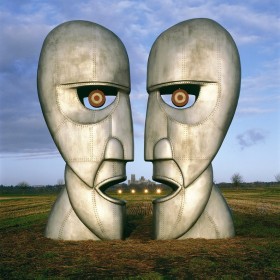
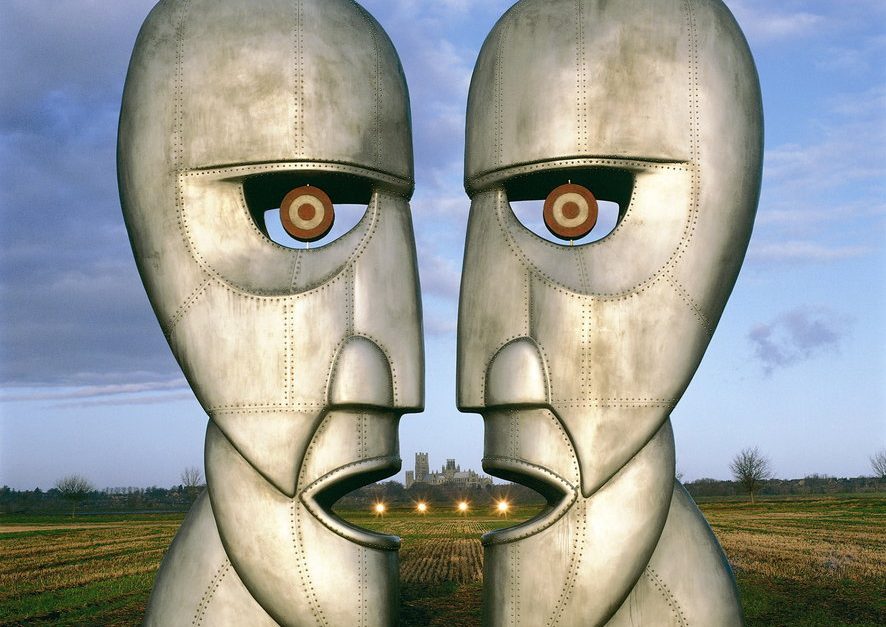
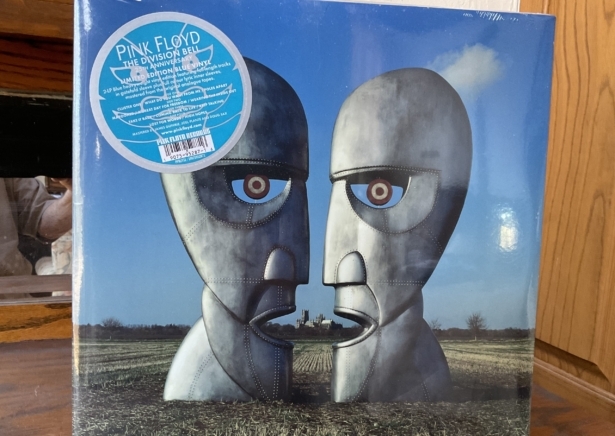
Never intended to be the last word in the long-running Pink Floyd legacy, nevertheless March 1994’s The Division Bell became, in effect, the final offering of new music from the remaining triumvirate of singer/guitarist/composer David Gilmour, drummer Nick Mason, and keyboard player Richard Wright. The Division Bell sold over three million copies just in the Nineties, and the Pink Floyd tour mounted in support of its release grossed a reported $100,000,000 in concert ticket sales. Wow.
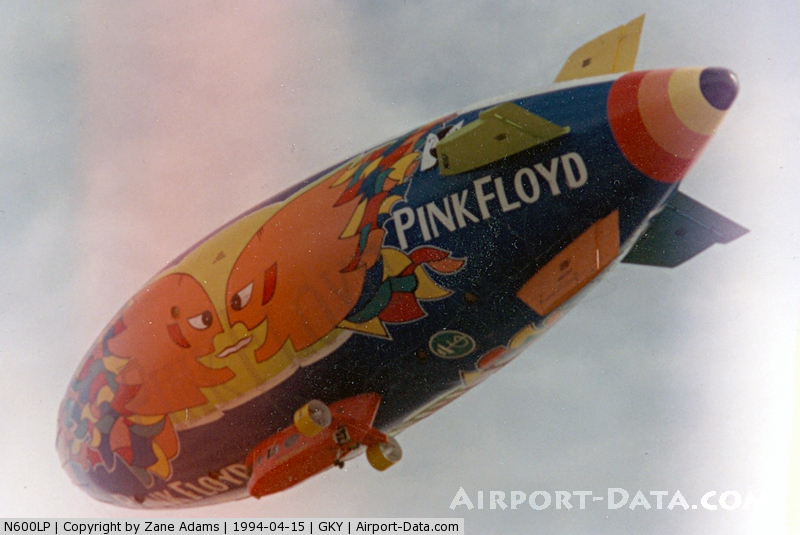
When Pink Floyd’s The Division Bell was released in March 1994, the term “Brexit” had not been coined and Elizabeth II was Queen. Astrophysicist Stephen Hawking (who did a cameo on the song “Keep Talking”), Pink Floyd keyboard player Rick Wright, orchestrator/arranger Michael Kamen, and longtime Pink Floyd manager Steve O’Rourke were all very much alive. Then, too, Polly Samson was known only as a journalist, and the three now-grown children she would bear with Pink Floyd guitarist/singer/composer David Gilmour were only a vibrato in Dave’s Stratocaster when I hosted the Division Bell world premiere broadcast in March across North America on opening night from Miami Joe Robbie Stadium on the Pink Floyd tour. Listening to this classic rock interview, one of the last ever with the gentle and fragile original Pink Floyd keyboard player Richard Wright, you would have no indication of the circumstances under which we had this conversation. In mid-March 1994 I had been driven to a decommissioned Air Force base in the California desert at dusk, where we were met at the gate by Military Police with white gloves and live ammo in their M-16 rifles. The reason that the British band Pink Floyd was rehearsing their 1994 Division Bell North American tour at a U.S. military base was simply because nothing smaller than a C-5 military transport hangar could accommodate the massive stage, lights, and sound system. A month later I would find myself broadcasting my Dallas/ Ft.Worth afternoon radio show live from the gondola of the Pink Floyd blimp airship (below,) with Captain Hunter letting me take the controls high over North Texas (I must admit, though, that Q102 Promotions Manager Kacy Harrison flew the blimp much better than I did).
For the thirtieth anniversary of this progressive rock milestone, David Gilmour and Nick Mason join me here In the Studio, plus archival comments from the late Rick Wright, to detail the songs “Keep Talking”, “What Do You Want from Me”, Rick Wright’s last lead vocal “Wearing the Inside Out”,”Take It Back”, “Coming Back to Life”, and the epic “High Hopes” for the future of Pink Floyd, which were cut short with Rick Wright’s death in September 2008. –Redbeard
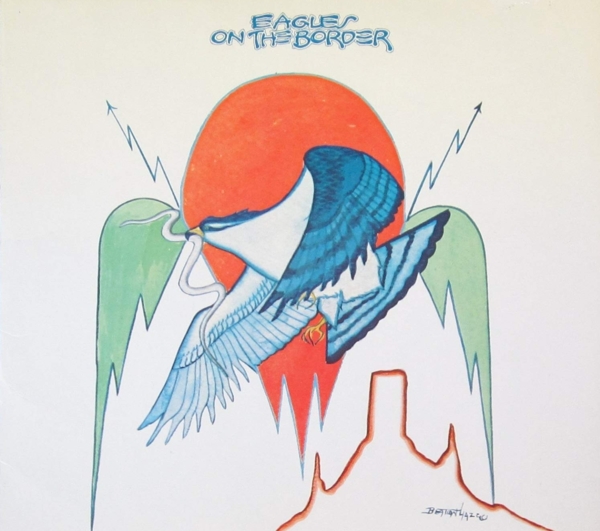
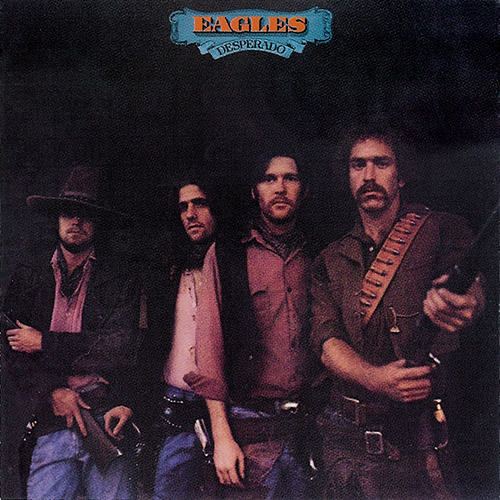
It’s odd, but until preparing this interview about The Eagles‘ second and third albums Desperado and On the Border, released in 1973 and 1974 respectively, I had not really noticed how little each Eagles album sounded like its predecessor. For a possible explanation as to how that might be the case, we tapped the In the Studio interview archive for the insights of two original Eagles bandmates, co-founding singer/songwriter/guitarist Glenn Frey and original bass player/singer/songwriter Randy Meisner, both now gone.
Like the first two Eagles efforts, On the Border was begun in London England and supervised by veteran English producer Glynnis Johns. But those sessions only yielded two usable recordings. Glenn Frey was so at odds with producer Johns that one of the two salvaged songs, “Best of My Love”, was sequenced dead last when the album was released, buried on side two as if to hide the pain. Neverthelss, through a quirk of fate, Frey reveals how “Best of My Love” became The Eagles’ first #1 hit, eventually propelling the On the Border album to over two million sales.
The dedication to songcraft on Desperado, which is evident from the first note of “Doolin Dalton”, on through “Tequila Sunrise”, “Certain Kind of Fool”, “Outlaw Man”, “Bitter Creek”, and the timeless “Desperado”, would later bear bountiful fruit for Frey, Meisner, Don Henley, and Bernie Leadon on the Eagles’ 1975 #1-selling One of These Nights. That effort was their first album to soar that high, a cosmopolitan country/ R&B hybrid that generated three Top 10 hits and effectively founded uptown Modern Country music as we now know it, fundamentally changing the course of contemporary music. Hotel California in 1976 and The Long Run in 1979 closed out the Seventies in colossal fashion for the Eagles, whose popularity remained undiminished deep into the 21st Century.
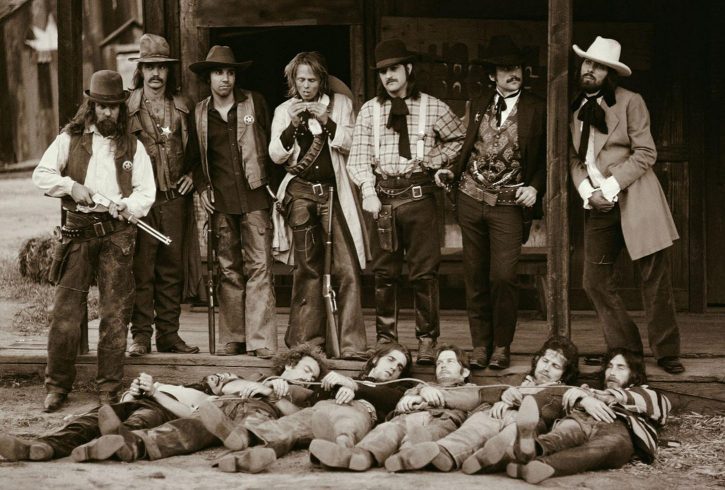
(Playing possum L-R: Bernie Leadon, Glenn Frey, Randy Meisner, Don Henley, J.D. Souther)
But in this interview Glenn Frey waved off the initial success of the first Eagles album to the songs of Jackson Browne, Jack Tempchin, and beginner’s luck, and placed the later record-setting success of The Eagles hinging on his 1973 decision, along with band co-founder Don Henley and songwriters Browne and J.D. Souther, to write a cinematic “cowboy concept” album. Heavily researched and historically accurate, the Eagles’ second album Desperado was recorded, arranged, and orchestrated in London, topped off back in Hollywood with tintype photography and period clothing for the cover, and even a guns-blazing promotional video a decade before MTV that would have made Quentin Tarantino envious. So did their handlers like what The Eagles had hatched on Desperado ?
“(Co-managers) David Geffen and Elliot Roberts were really kind of against it, in a lot of ways”, admitted original Eagles bass player/singer/songwriter Randy Meisner, “because they didn’t like it after we’d finished it. It wasn’t the kind of album you’d think we should have had for the second album. They thought it should be more down the line of the first album with more rock’n’roll songs, and it shouldn’t be a theme album. That it was chancey, that it was a big chance to take.”
Until the day that he died in January 2016, Eagles co-founder Glenn Frey was exceedingly proud of their second album, 1973’s Desperado. But Desperado did not have three Top 20 hits like the Eagles debut, nor did it contain the Eagles’ first #1,”Best of My Love”, that distinction belonging to 1974’s On the Border album released fifty years ago in March 1974. Purely in popularity and chart stats, that sophomore record had the lowest glide path of any Eagles effort, yet in this exclusive In the Studio interview, Frey and original Eagles bass player/singer/songwriter Randy Meisner make a detailed case for why Desperado may be their most formative one of all.
On the Border is also notable for an eleventh hour personnel addition, Don Felder on lead guitar, and Randy Meisner is quick to note that Felder was, in fact, suggested by Eagles guitarist Bernie Leadon from their earlier Florida days. Songs include “James Dean”, “Already Gone”, the Tom Waits chestnut “Old ’55”, “Best of My Love”, and the title song, “On the Border” hosted by the sincerely missed Glenn Frey and the dearly departed Randy Meisner for the fiftieth anniversary of The Eagles’ On the Border. –Redbeard
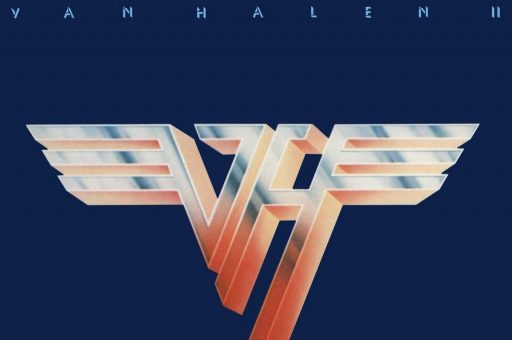
The quintessential American hard rock band Van Halen’s 1978 debut probably guaranteed their election to the Rock ‘n’Roll Hall of Fame on the first ballot, quickly becoming a benchmark for every hard rock band ever since. Six years later they even topped that with 1984 , one of the most popular and influential albums ever. Every one of the four Van Halen albums in between, II released in March 1979, Women and Children First, Fair Warning, and Diver Down would all sell a million-plus and chart Top 6 on Billboard album sales.
Yet by Diver Down‘s April 1982 release, Van Halen had become a series of contradictions, and at one point actually eclipsed Pink Floyd as the longest-running soap opera in rock. Original members Eddie Van Halen and Alex Van Halen, David Lee Roth, and original (now former) member Michael Anthony dish on the opposing forces inside and outside of the band during those years. –Redbeard
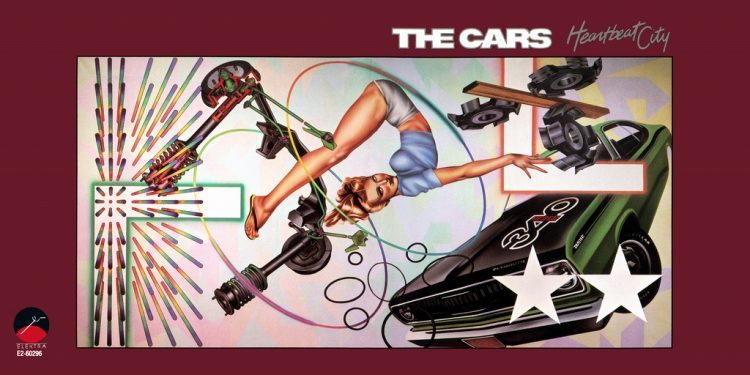
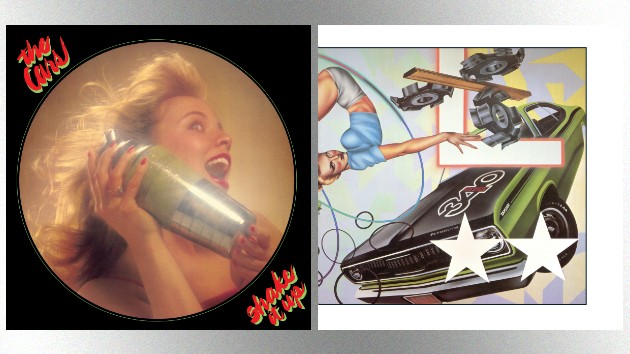
The Cars, now with their own reserved parking spot inside the Rock and Roll Hall of Fame, pulled up to test drive the 1984 blockbuster Heartbeat City, which rivaled their legendary 1978 debut, The Cars, for musical automotive sales. Remastered and expanded (along with Shake It Up) with bonus tracks and tasty hard-to-find “B” sides, Heartbeat City crosses the finish line neck and neck with The Cars’ first one in sales popularity at nearly five million copies each in the US alone. But with the exception of the same band members and city of recording, London, those two Cars albums share little else in common.”There was probably a difference between ‘New Wave’ and Punk Rock. I don’t know, maybe New Wave people wore cleaner clothes,” quipped the late Cars singer/songwriter Ric Ocasek.
If that debut album was an actual car, it would have been a 1964 1/2 Ford Mustang, musically packaging the right features at the right time in just the right way, where the whole was way more than the sum of its parts; whereas Heartbeat City, six years and five albums later, would be a Ferrari, each component custom-made and painstakingly assembled, the zenith of state-of-the-art record making circa 1984. “You Might Think” was the first of FIVE hit singles to drive off of the showroom floor of the Heartbeat City dealership in 1984, followed by “Magic”, “Hello Again”,”Why Can’t I Have You?”, and the timeless ballad “Drive”, sung by the late Benjamin Orr and written, like all of those, by my guest Ric Ocasek, who has passed away now as well. “(“Drive”) was probably about a nervous breakdown. Not my own,” Ric Ocasek told me In the Studio. “Or maybe about false hope…I remember thinking it was kind of an eerie song.” The song went to #3 and, along with the Timothy Hutton-directed video, remains the sound and look of mid-decade Eighties. The album Heartbeat City is a major component of the drivetrain that eventually powered The Cars into the winner’s circle at the Rock and Roll Hall of Fame, but as you will hear from Cars keyboard player Greg Hawkes, there were unintended consequences to the price of perfection that year’s model. –Redbeard
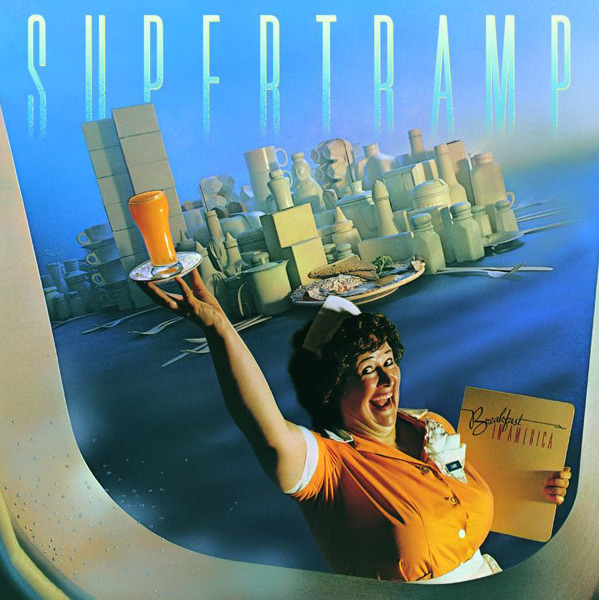
On the eve of Supertramp’s international blockbuster Breakfast in America, none of us outside the Brit ex-pat band’s tight inner circle living in suburban Los Angeles had any reason to see it coming. Sure, their U.S. label patiently had given them the time to cook up something popular over the course of five albums in ten years. Supertramp had exhibited a consistency of band sound since the stunning Crime of the Century five years earlier, eschewing the ubiquitous electric guitar and the obligatory synthesizer of most progressive rock bands in favor of grand piano, the distinctive Wurlitzer electric, and John Helliwell’s clarinet and saxophone solos giving Supertramp a decidedly Continental feel. In band co-founders Roger Hodgson and Rick Davies they possessed two singer/songwriters to contribute material and alternate lead vocals, and whose close harmonies belied the increasing creative competition between them.
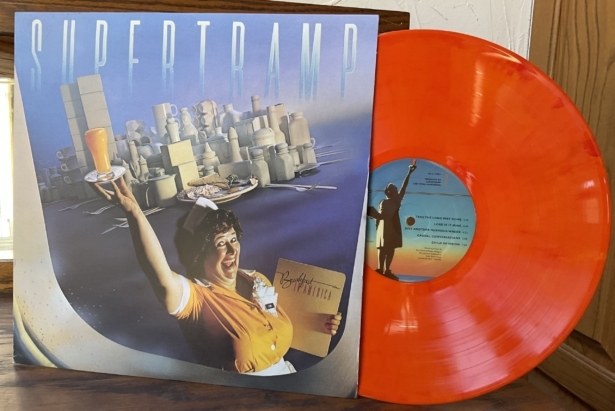
However, the odds for a sudden Breakfast… breakthrough anywhere near the sumptuous servings of hits found on the March 1979 release appeared slim, seeing as how five albums in a decade of work had resulted in a grand total of a sole U.S. hit, Hodgson’s “Give a Little Bit” on 1977’s Even in the Quietest Moments. And like so many other prog rock bands, Supertramp suffered in the publicity department by being a relatively faceless ensemble without a colorful, quotable front person who the journalists could tee up. Roger Hodgson ( rogerhodgson.com ) shares the remarkable transformation of this British art rock/progressive rock band into unlikely pop stars (estimated 20 million copies sold) with this 1979 worldwide #1-seller, Breakfast in America , containing big hits “The Logical Song”, “Goodbye Stranger”, and “Take the Long Way Home”; the intra-band confrontation between Hodgson and Davies in the former’s “Child of Vision”; and the title song, as Breakfast… is served In the Studio in a very rare classic rock interview. –Redbeard
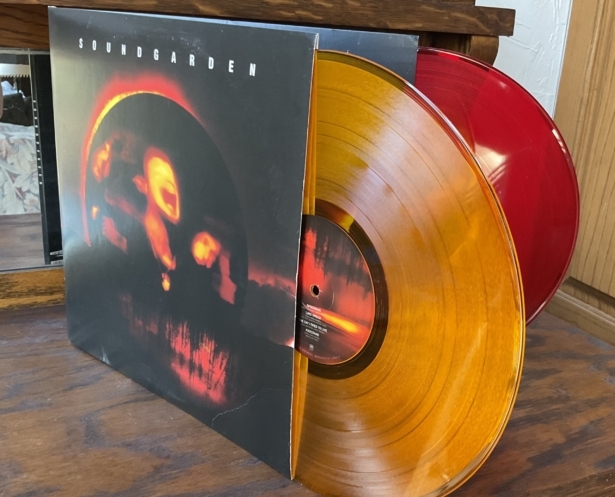
When it came time for Soundgarden to enter the studio in 1993, the song stash for what was to become Superunknown was empty, a daunting creative challenge to main songwriter Chris Cornell. All of the ripe musical fruit had been harvested for the series of singles, EPs, and three preceding albums including Badmotorfinger, but Chris found the untilled song soil liberating as well, fertile musical ground. No doubt one of the strongest revelations of the songs that Cornell, crunchy angular guitarist Kim Thayil, thundering bass player Ben Shepherd, and powerhouse drummer Matt Cameron came up with on Superunknown was their unapologetic admiration for theVol.4-era early Black Sabbath sound and unabashed dynamics of Led Zeppelin. The late Chris Cornell is my guest from the In the Studio archive, as Soundgarden was inducted into the Rock and Roll Hall of Fame. – Redbeard
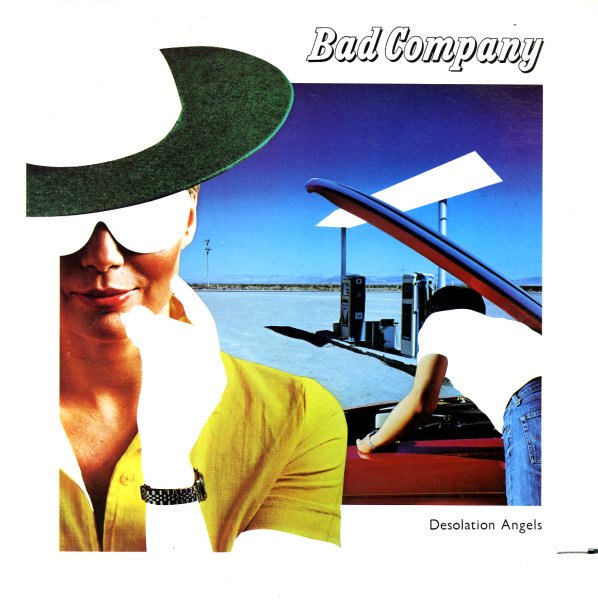
Bad Company’s Desolation Angels, released in early March 1979, came only five years after their 1974 debut album made them a “super group”. Prior to release there was real concern that Bad Company had augered in with a collective faceplant, due to a dearth of strong material plus sheer exhaustion from a non-stop cycle of recording and touring. After three consecutive million-sellers in as many years, the British foursome consisting of ex-Mott the Hoople guitarist Mick Ralphs, King Crimson bass player Boz Burrell, and Paul Rodgers and Simon Kirke, half of blues-rockers Free, all were as Rodgers told me,”burnt” by the time they recorded 1977’s spotty Burnin’ Sky album, no pun intended.
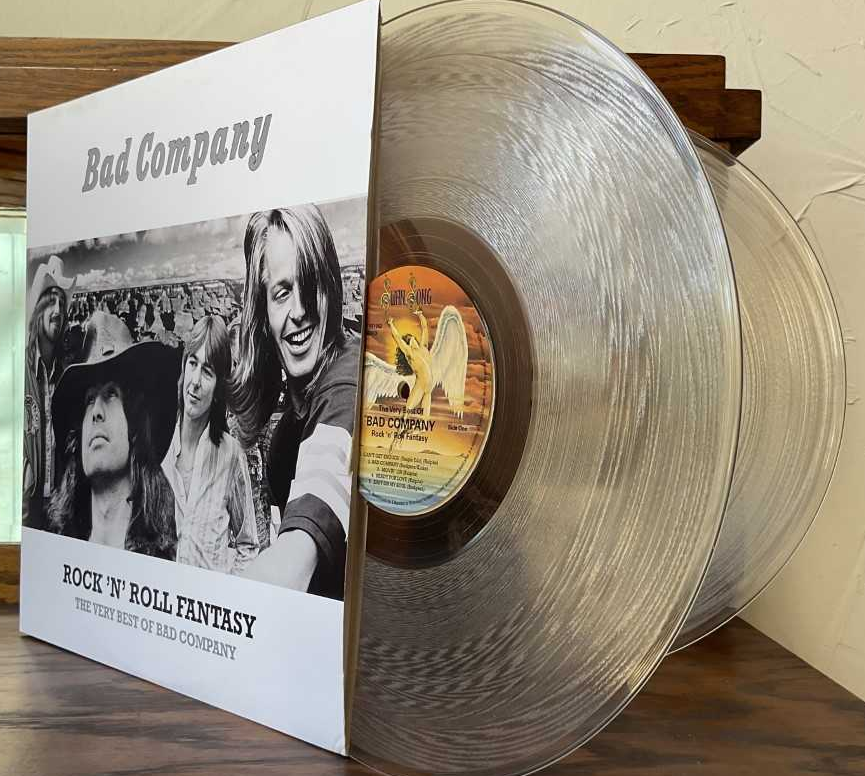
After a much needed two year hiatus, Bad Company re-emerged with Desolation Angels, their strongest batch of songs since that impressive debut, including the electrifying “Rock’n’Roll Fantasy”,”Evil Wind”, and “Crazy Circles” all from Paul Rodgers chronicling life on tour; Burrell’s simple but intoxicating groove on “Gone, Gone, Gone”; and the mid-tempo rocker “Oh Atlanta” from Mick Ralphs.
My guests In the Studio Rodgers, the dearly missed Mick Ralphs, and Simon Kirke share a humorous, touching tribute to the late Boz Burrell, plus you will hear the original Bad Company’s final recording, “Hammer of Love”, as we salute Rock and Roll Hall of Famers Bad Company. –Redbeard
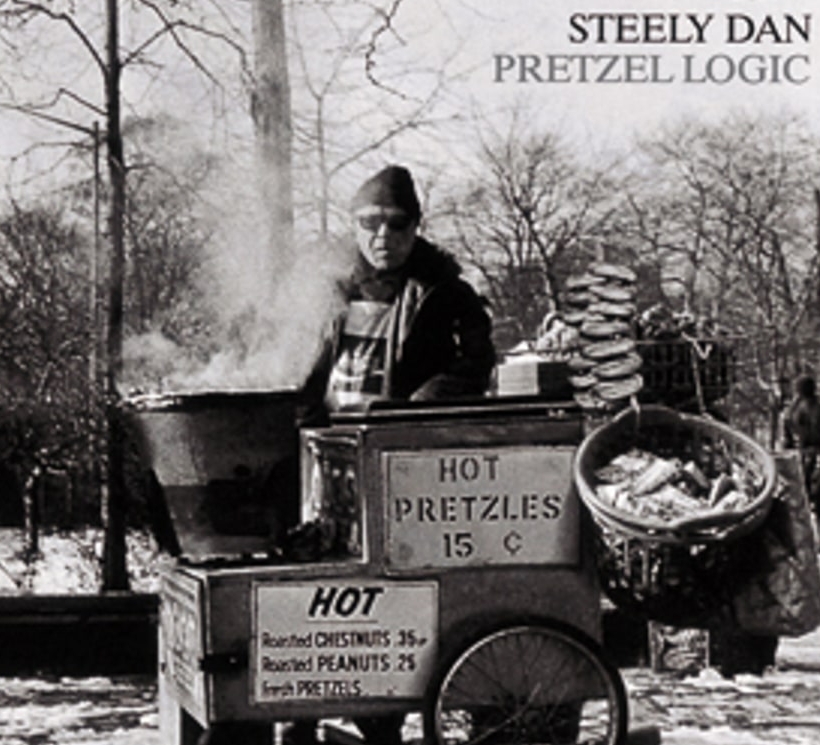
That third Steely Dan album, released in February 1974 as Pretzel Logic, has always served as a distinct demarcation line in the evolution of the eclectic band led by songwriting duo Donald Fagen and Walter Becker. Pretzel Logic by Steely Dan is significant because it contained the #4 Billboard hit, “Rikki Don’t Lose That Number”, with the album Top Ten in sales as well. Rolling Stone magazine ranks Pretzel Logic at #386 on their Top 500 Albums of All Time.
As it turned out, Pretzel Logic also was the last Steely Dan album to feature the five bandmembers Fagen, Becker, guitarist Denny Dias, original drummer and occasional vocalist Jim Hodder, and six stringmeister Jeff “Skunk” Baxter. The fatter, close-miked drumming on Pretzel Logic was played by the most in-demand timekeeper then, the late Jim Gordon, as well as LA studio newcomer Jeff Porcaro who sadly is also gone.
(L-R original drummer/vocalist Jim Hodder, Walter Becker, Denny Dias, Jeff Baxter, Donald Fagen)
Guitarist/bass player/co-writer Walter Becker, who passed away in September 2017, explained with blunt candor why Steely Dan stopped touring shortly after Pretzel Logic was released fifty years ago. “When you’re on stage performing, regardless of the type of music you’re playing in the arenas we played, you’re in ‘show business’. I don’t think it was ever Donald’s or my intention to be in ‘show business’. We wanted to to be musicians and make music…Other people who enjoyed it (playing live) more, and were adapted to that, enjoyed it more…Also they liked the bad food and the diseases. I mean, they complain about it now, but the fact of the matter is that I saw the looks on their faces when they were enjoying that stuff!” – Redbeard
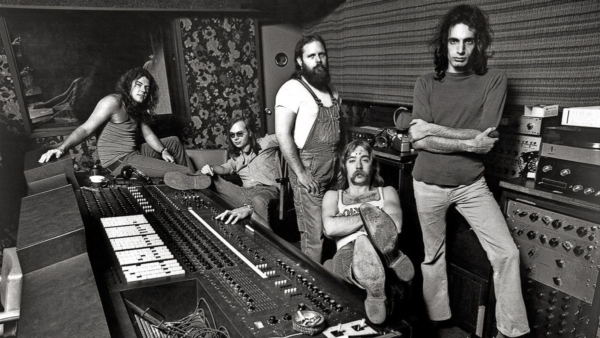
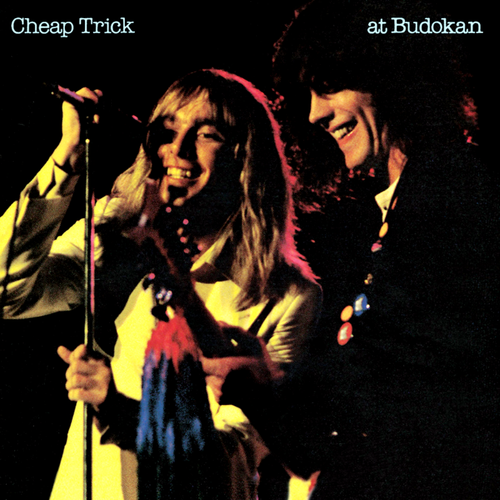
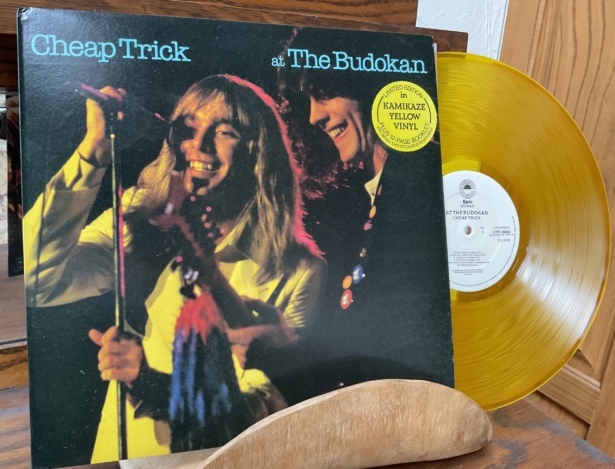
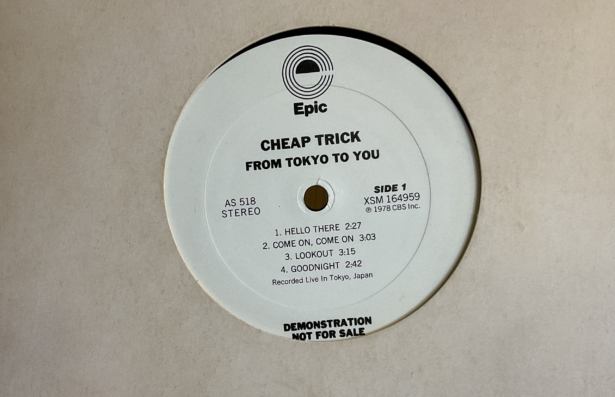
Rockford, Illinois’s Cheap Trick proved to be no joke on the live, Japan-only At Budokan, but the story of how the rest of the world ever got to hear it in February 1979 is a total fluke. Initially intended as a live Japan-only album, Cheap Trick At Budokan got an official US release in February 1979 after deejays like me had been playing a promotional-only version on the radio.
There is the myth which has now become legend, repeated with so many assumptions that the revisionist history is now cited as fact across countless internet sites. But my guests Rick Nielsen and Robin Zander were there onstage in 1978 when American perennial opening act Cheap Trick from Rockford Illinois, with three studio albums, rave critical press clippings, but effectively no US radio play due to powerful consultants perceiving them as a punk band, played the prestigious Tokyo Budokan and were greeted with screaming mobs of teen adulation, plus media saturation not seen in the usually reserved society since Beatlemania a dozen years earlier. Meanwhile, back in the homeland? Crickets.
Someone at Cheap Trick’s US label, aware of what happened to the journeyman careers of Peter Frampton and KISS when a “best of, live” package that bristled with energy was exposed, got permission to press up a handful of promotion-only live samplers on vinyl and sent to American rock radio deejays. Subsequent airplay, without an actual Cheap Trick live album in the stores for new fans to buy, only increased the demand. Finally the red tape of licensing a domestic commercial version was sorted by February 1979. Eventually Rolling Stone magazine writers would rank it at #426 on their “Top 500 Albums of All Time”, and Cheap Trick At Budokan has been added to the Library of Congress National Recording Registry for being “culturally, historically, or aesthetically significant.” But now the final cosmic giggle: veteran producer of Cheap Trick At Budokan, Jack Douglas, contends that the actual recording from the Tokyo Budokan was determined to be inferior in performance or techically, and so originally the decision was made to use the Osaka recording from the same 1978 tour. So apparently, with the exception of the stage manager’s introduction of “All right Tokyo! Are you ready?”, the joke’s been on us. – Redbeard

 Apparently Robin Trower’s Bridge of Sighs album, released in April 1974, is held in high esteem by more than just me over these last five decades. If you were paying attention prior to 1974, you might have noticed Robin Trower’s muscular, bluesy guitar, albeit sparingly, on English art rocker Procol Harum’s Home and Broken Barricades albums, however tantalizingly brief, on the songs “Simple Sister” and the rollicking (although incongruous for Procol Harum’s baroque keyboard sound) “Whiskey Train”. “I think I got a little sick of keyboards,” Robin chuckles by way of explaining why he left to form his own trio bearing his name.
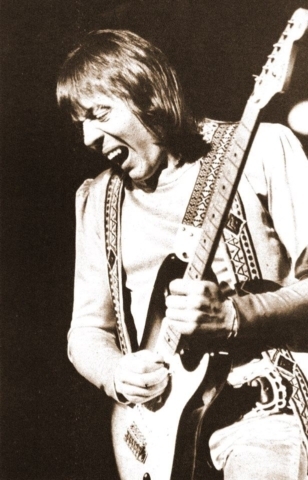 The batch of songs on the April 1974 follow up Bridge of Sighs was so strong that Robin Trower modestly attributes it to luck, but I’m not buying it. Bridge of Sighs can bludgeon you breathlessly with the galloping opener “Day of the Eagle”, transport you to an almost alien soundscape in “Bridge of Sighs”, seduce you with the late Jimmy Dewar’s voice right up close to your ear on “In This Place” and “About to Begin”, and resume rocking your world again on “Too Rolling Stoned”,”The Fool and Me”,”Lady Love”, and”Little Bit of Sympathy”. Robin Trower joins me here In the Studio for Bridge of Sighs, and even now, if you help me pack for being marooned on a desert island, leave room for Robin Trower Bridge of Sighs. – Redbeard