Tag: best selling albums 1981

  • Pat Benatar- Precious Time 45th Anniversary

    Pat Benatar- Precious Time 45th Anniversary

    One of the blessings that comes with maturity is the confidence to tell the unvarnished truth, and in my classic rock interview to mark  her #1-selling third album Precious Time, Pat Benatar makes a series of eyebrow-raising revelations here In the Studio.

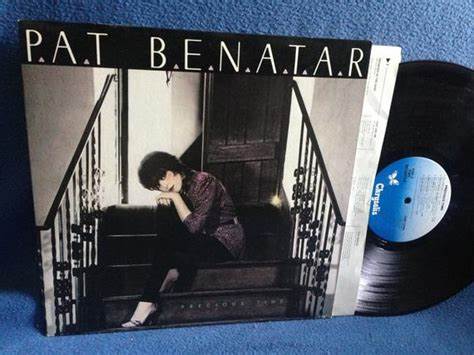
    “It went platinum (1,000,000 sales) in thirteen days,” Pat Benatar states matter-of-factly about her explosive third album Precious Time, while she and hubby/musical director Neil Giraldo reminisce In the Studio. It headed rapidly to the top-selling perch in America by August 1981. There are some powerful perennials on her best-charting collection, including the timeless tortured love rockers “Promises in the Dark” and “Fire and Ice”. No doubt delivered with complete conviction, Pat was just attempting to rebound from a bad first marriage as she was falling in love with her new guitar player. But the real story wasn’t between the sheets.
    “You gotta understand, I was twenty-seven years old. I came off a few years of a very bad relationship, was around a lot of girlfriends who went through hell with (abusive) men. You have to understand that I grew up with the Women’s Movement. I was ready to stretch and flex. I was happenin’ ! (chuckles) So I would inflict serious injury if a guy gave me a lot of crap.” When husband Neil Giraldo recoils in mock horror, Pat quickly adds,”But I’ve mellowed, you see. But I’ve learned to put the glove on the fist. Except I always think that I’m big!” she blurted out in laughter,”I always think that I’m big, I do! When you’re a little person, when you got pushed around on the playground, that makes you into something else that big people don’t have to deal with. And it wasn’t limited to men, it was people in general.”
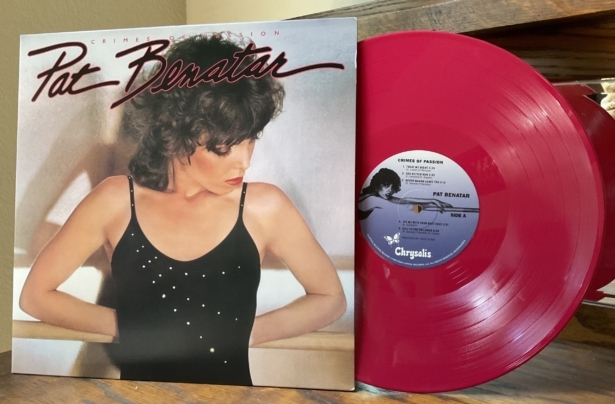
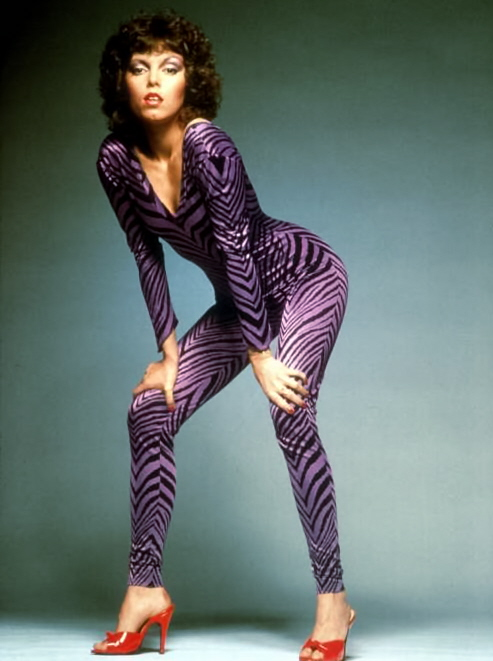
    It is important at this point to remind you of just how much the business of pop music has changed over the Precious Time of forty-five summers since Pat, identified by the Rolling Stone Encyclopedia of Rock’n’Roll  as “the most popular female rocker in the Eighties”, earned that accolade. “That was when we were doing twelve, even fourteen months (touring). During In the Heat of the Night  we did fourteen months in a row. It was nuts. But that was old way. That’s what you did. There was no MTV. You had to expose what you were doing to everybody and that’s how you did it. I look back on it nowadays and I think, ‘Oh man, that purple zebra leotard. What was I thinking ?!” According to Pat Benatar and Neil Giraldo, those who were supposedly on her management and record company team chose sexploitation as a business plan. “Redbeard, you gotta understand, in ’81 the record company was airbrushing ( her photos) ,” Neil says exasperatedly,”They were airbrushing…”
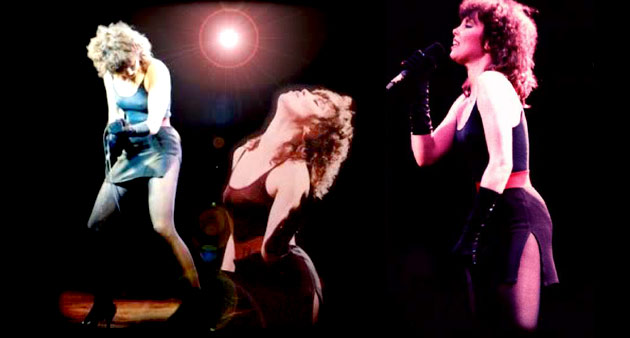
    “My clothes off !” Benatar blurts out.

    “You’re talking about management and the record company,” Giraldo continued,”that she really couldn’t do anything! We were trying to make records, and they were telling us what we can and can’t do, and would play both ends against the middle.”

    “What happened was that I had a record company and a management group who refused to be open-minded,” Pat pointed out.”It was a constant battle with them. I was already gone (figuratively) by the time this record came out. By the time this came out, I was already moving to another place. Except that they weren’t letting me. And at that time they still had control, they had contractual control. I didn’t have a choice at that time. And that was when I said, ‘You can do anything you want, but you can’t make me make records. And if you don’t let me make the kinds of records that I want to make, I WON”T make them anymore.” –Redbeard
  • Billy Squier- Don’t Say No 45th Anniversary

    Billy Squier- Don’t Say No 45th Anniversary

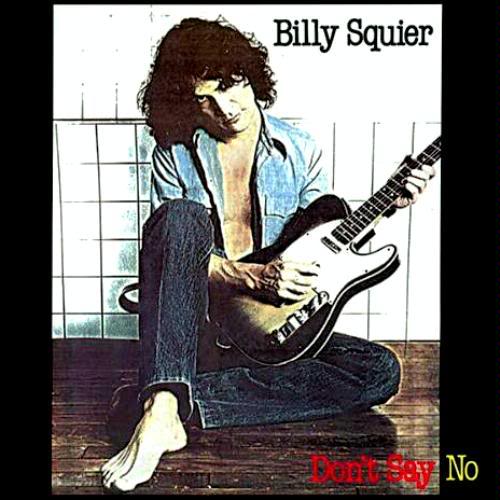
    My guest Billy Squier’s 1981 second solo album, Don’t Say No, sold over three million copies (!) because of songs “In the Dark”, “My Kinda Lover”, “Lonely Is the Night”, & the big hit ” The Stroke”. Squier grew up in the Boston suburbs as an only child (“Life isn’t easy from the singular side…” Billy sings in the opening to “In the Dark”), the son of an executive of the Converse Shoe Company,the people who make the iconic Chuck Taylor All Stars. So growing up in the Squier household, it’s safe to assume that Buddy Holly shared star billing with Bob Cousey, Bill Russell, and John Havlicek of the Boston Celtics.

    Billy Squier discovered John Mayall’s Bluesbreakers at age 14, which in turn introduced Billy to guitarist Eric Clapton, changing everything for the young adolescent American. Squier’s desire got him first to Boston University, and then his talent got him into the prestigious Berklee School of Music. But the first half of the Seventies for Squier was spent pretty much shuffling in and out of bands in Boston and New York City.

    Then Billy Squier got his first taste of the record business, recording two albums on a major label fronting the band Piper in 1976 and 1977 before splitting up. Undeterred, Squier landed a lucrative solo deal and debuted with 1980’s The Tale of the Tape, containing “The Big Beat” which I played to great response on ROCK 103/Memphis. So it was with eager anticipation that Don’t Say No was received in April 1981.

    Billy told me In the Studio that the song “Nobody Knows”, written by Squier about John Lennon while the former Beatle was still alive, ironically shares the dubious distinction of having been recorded at the same place and time as one of rock history’s darkest days: the assassination of John Lennon in New York City December 8, 1980. “The inspiration for that song was the life of John Lennon, and I wrote it prior to his death,” Billy Squier tells me. “He lived in a building here in New York City called The Dakota, and I was walking past in the (Central) Park. I was reflecting on some of the events that had happened to me in my career, whereby my first album Tale of the Tape had generated some interest and activity. And I was just having a bit of a pause for reflection on how your life is perceived from people outside the (music) industry, what the public perception is of an Artist, and the difference between that and the real private person and their innermost feelings. And looking at this building I naturally thought of Lennon, who was one of the most prolific, important Artists of our time, and I was thinking about what it must be like to be John Lennon. That’s the basis of my song “Nobody Knows”, that ‘ nobody knows what it’s like to be in my skin…”.

    BILLY-SQUIER-1131984104_0824Billy Squier had already begun recording his second solo album at the Power Station( now Avatar Studio) on West 53rd in Manhattan when John Lennon returned to his Central Park West address only about twenty-five blocks away from the studio. “Ironically and very sadly, the night John Lennon was killed we were recording that very song,” Squier confides in this classic rock interview.

    When Foreigner opened their Foreigner 4  tour in Memphis in Summer 1981, they wisely invited Billy Squier as special guest to open every show, all but guaranteeing sell outs every stop. No doubt to show gratitude for my early support, Billy invited me to join him and his band on stage during the performance of his hit “The Stroke” to sing background vocals. Now, I cannot carry a tune in a bucket, but that night in Memphis’ Mid-South Coliseum in front of ten thousand fans fist-bumping into the air to the big beat, we discovered that I can shout “stroke! stroke! stroke!” with the best of ’em. –Redbeard

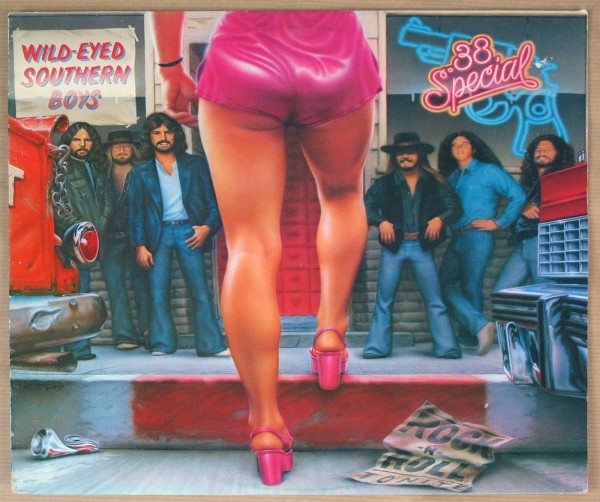
  • 38 Special- Wild-Eyed Southern Boys 45th- Donnie Van Zant, Jeff Carlisi

    38 Special- Wild-Eyed Southern Boys 45th- Donnie Van Zant, Jeff Carlisi

    Here’s the story of the 1981 million-selling fourth album Wild-Eyed Southern Boys by .38 Special, marking its forty-fifth anniversary. Hundreds of miles north of Miami, .38 Special’s home Jacksonville Florida is light years away culturally from its more glamorous and glitzy counterpart downstate. Jacksonville does not show up on many listings of American music meccas alongside New York City, Nashville, Chicago, Memphis, Los Angeles, San Francisco, and Seattle, but maybe it should. You see, the swamps at Green Cove Springs are from where the figurative band of brothers Lynyrd Skynyrd emerged. The quintessential Southern Rock outfit the Allman Brothers Band, long associated with Macon Georgia only because their manager and label head Phil Walden was based there, was formed in Jacksonville too. The genius of Ray Charles and the Native American rowdies Blackfoot started there, as well.

    So for inspiration growing up together, eventual .38 Special guitarist/singer/songwriter Don Barnes (who still leads the current line-up) and future singer Donnie Van Zant had  to look no further than the Van Zant family carport attached to their home on Woodcrest Road in “JV”. That is where big brother Ronnie Van Zant, seven years older than Donnie, first put his band (which eventually would settle on the name Lynyrd Skynyrd) through countless hours of practice even before they were old enough to hole up in the Green Cove Springs swamp for rehearsals. In my classic rock interview, former singer/songwriter/co-founder Donnie Van Zant and original .38 Special lead guitarist Jeff Carlisi recall having to find similar headquarters in an abandoned auto parts garage to work up songs.

    The hard work and tireless touring started returning dividends for .38 Special with 1981’s Wild-Eyed Southern Boys. Including “Rockin’ Into the Night” & “Stone Cold Believer” from their January 1980 breakthrough third album; ”Hold On Loosely” and ”Fantasy Girl” from 1981’s Wild Eyed Southern Boys, plus eventually “Caught Up in You” and “Chain Lightning” in May 1982 from the top ten seller  Special Forces. –Redbeard

  • REO Speedwagon- Hi Infidelity 45th- Kevin Cronin, Neal Doughty

    REO Speedwagon- Hi Infidelity 45th- Kevin Cronin, Neal Doughty

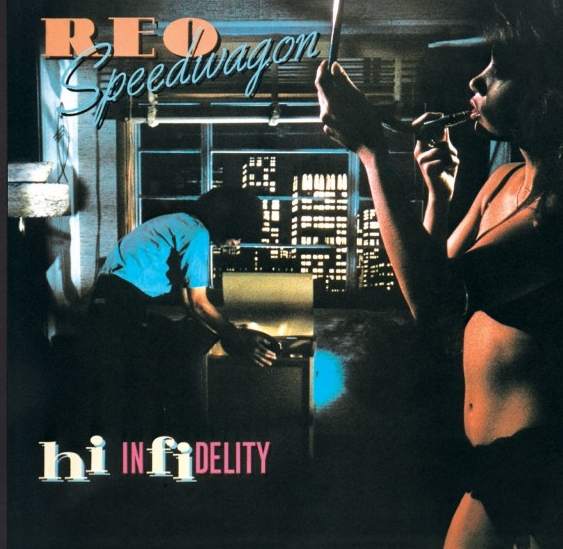
    The hard-charging Illinois band named after an Oldsmobile fire engine (don’t laugh, Buffalo Springfield was the manufacturer of a steamroller, for heaven sake ), REO Speedwagon believed in their long game, and their long-suffering record label gave them TEN trips to the plate until the band touched all the bases in November 1980 with Hi Infidelity. Lead singer Kevin Cronin and band keyboard player co-founder Neal Doughty tell the worst-to-first “ten year overnight sensation” story behind “Don’t Let Him Go”,”Follow My Heart”,”Tough Guys”,”Take It on the Run”, and the #1 “Keep on Lovin’ You” here.

    Legendary major league baseball manager Leo Durocher reportedly uttered that famous quote,”Nice guys finish last”, but with the November 1980 release of REO Speedwagon’s Hi Infidelity,  at least one exception refuted Durocher’s platitude spectacularly. Matter of fact, if REO Speedwagon was a baseball team, their statistics for their 1980-81 season would be as follows: 9- Hi Infidelity  was the band’s ninth studio album; 4- the number of times REO changed lead singers; 2- the number of times Kevin Cronin was hired to be that lead singer; 5- the number of charted singles from that sole album; 1- the chart sales peak of both the Hi Infidelity  album and its first single,”Keep on Loving You”; plus the first band live concert ever presented on the emerging MTV video music channel; 15- the number of weeks as the top-seller in the US; 10,000,000+ -the number of copies sold of REO Speedwagon’s Hi Infidelity.

    In a lot of ways, REO Speedwagon was much like the Midwest region from which they sprang at the University of Illinois at Champaign: solid, unassuming, hard-charging musical journeymen determined to make it. They set it up with songs including “Roll With the Changes”,”Time for Me to Fly”, and “Back on the Road Again” before releasing Hi Infidelity forty-five years ago as Cronin and co-founder Neal Doughty reveal in my classic rock interview, which also serves as a tribute to the late REO guitarist/songwriter for the first twenty years, Gary Richrath.

    When Hi Infidelity by REO Speedwagon was released in early November 1980, it was the band’s ninth studio album in ten years of trying. While rock radio listeners in New York City, Los Angeles, and San Francisco were just introduced to REO Speedwagon two years earlier with “Roll with the Changes” and “Time for Me to Fly”, millions of other Americans between the Rockies and the Ohio River could recall seeing REO play their high school proms, college homecomings, and countless state fairs for ten long years. With the release of Hi Infidelity forty-five years ago, the tumblers all clicked and the jackpot was stunning. –Redbeard

  • Ozzy Osbourne- Blizzard of Ozz

    Ozzy Osbourne- Blizzard of Ozz

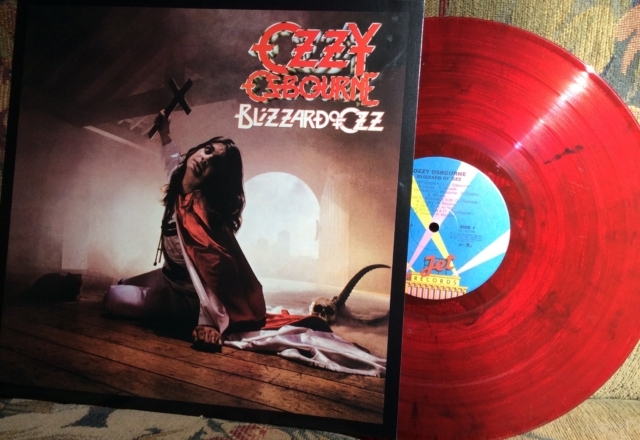
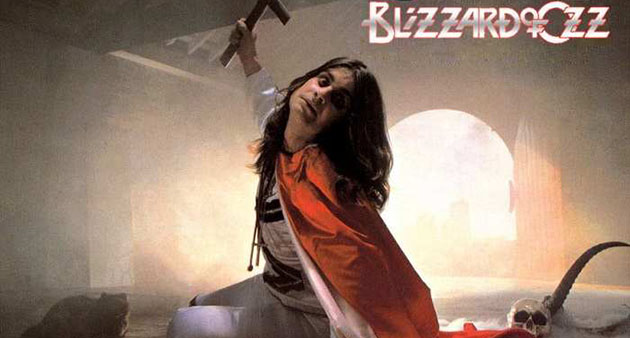
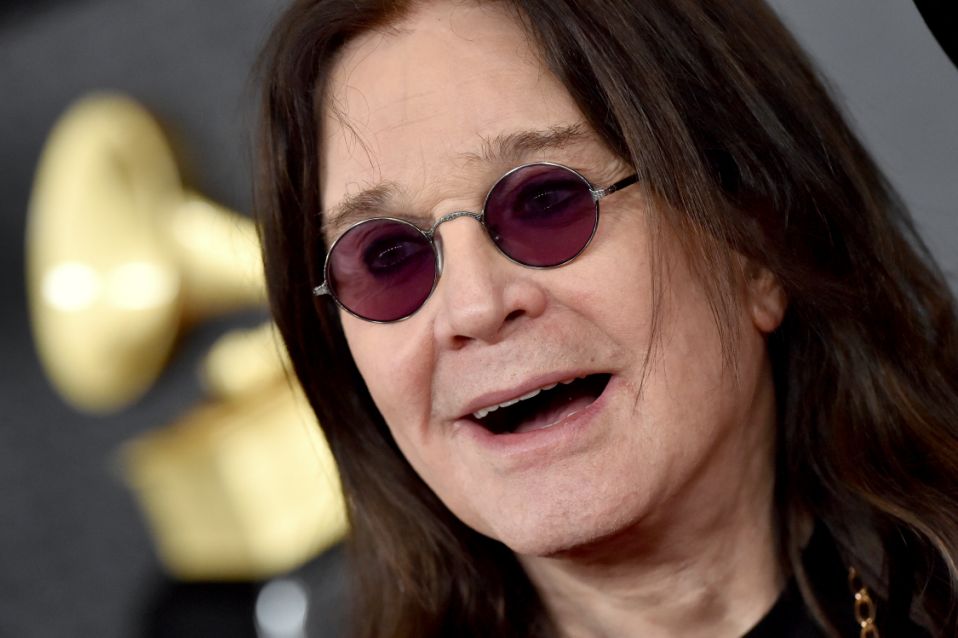
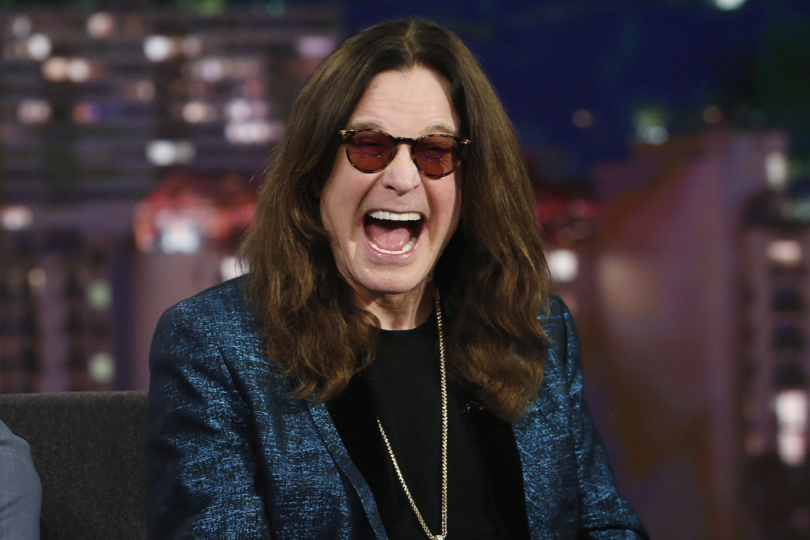
    It has been four and a half decades since the unheralded release in the UK of Ozzy Osbourne ‘s first post-Black Sabbath solo album, The Blizzard of Ozz  in September 1980, and in that lengthy time in rock music, Ozzy had always been the big kid who got caught with his hand in the Cookie Jar of Life. For the ten-plus years fronting the original Black Sabbath, and continuing right to the day he died, Osbourne  remained a hard rocker’s dream, a parent’s nightmare, a record company president’s sure thing, and one of my favorite guests In the Studio.

    “We lived on that early (Blizzard) tour from hand to mouth,” Ozzy recalled in my freewheeling and uncensored classic rock interview.”We used to stay in these really cheap, sleazy Holiday Inns out by the highway, with no safe deposit box, and I’d carry the cash (from each concert’s receipts)  in a briefcase handcuffed to me in bed with me. No flying first class, caviar, champagne. Caviar is like eating fish’s nuts, man. But it’s what posh people eat! We were used to Spam sandwiches.”

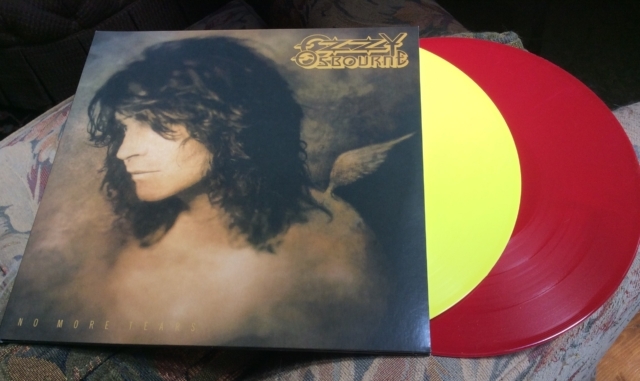
    It is safe to say that when Ozzy Osbourne’s first post-Black Sabbath album Blizzard of Ozz  came out in the UK in September 1980, it was fairly common then for the American release to come out a couple of weeks later for the North American retail appearance. But not over six months later, as was the case here. Hard to believe now with Osbourne’s subsequent popularity and fame, but truth be told, at the time Ozzy Osbourne was perceived as damaged goods by practically every American record company. When finally somebody took a shot and released Blizzard…, it was fully embraced by American rock radio this time, unlike the whole of his time fronting the highly influential but blacklisted Sabbath. But as you will hear Ozzy tell in my classic rock interview, it is a miracle he lived to see that day when the radio and every major US sporting event would blare “Crazy Train”,”Mr Crowley”, and “I Don’t Know”. You can be in the know on fact vs fiction on many urban myths as Ozzy Osbourne guests In the Studio as the Rock and Roll Hall of Fame welcomed the Batman of Rock! –Redbeard (Ozzy’s drummer on this album, Lee Kerslake, who had also drummed for Uriah Heep all through the Seventies, passed away at age 73. )

  • Ozzy Osbourne- Rock Hall Induction

    Ozzy Osbourne- Rock Hall Induction

    With four decades of arenas and stadiums filled from the Meadowlands to Moscow, and with his MTV reality home invasion turning himself  and his wife/manager Sharon Osbourne into a dystopian 21st century Ozzie and Harriet, the Godfather of Heavy Metal Ozzy Osbourne  only recently was granted induction into the Rock and Roll Hall of Fame by virtue of having been Black Sabbath’s original lead singer/ lyricist for their seminal genre-defining first ten years. But  Ozzy’s first two solo albums, Blizzard of Ozz  and Diary of a Madman, sold more than all of those Black Sabbath albums combined. Years eligible solo for Ozzy Osbourne: 19 . Number of times even nominated until now: 0.

    Being on the outside looking in is a familiar place for Ozzy Osbourne. Rock and roll was founded, and continued to be replenished, by those who felt unheard, unseen, uncomfortable swimming in the mainstream of society. Yet at some point the rock music business progressed to a point where some musicians felt outside of THAT, rebelling against these conventions as well. Ozzy Osbourne joined a list with Ray Davies of The Kinks, the Grateful Dead, all the Punk bands, Jimmy Buffett, Tom Petty, Pearl Jam vs Ticketmaster, Tom Scholz of Boston vs CBS Records, and Peter Gabriel vs MTV. The irony is that if you reject the status quo completely, and are so successful in creating your own alternative business model such as the Grateful Dead or Jimmy Buffett did, at some point you risk becoming indistinguishable from the very thing you ran from in the first place.

    If success is the best revenge, then Ozzy Osbourne wins hands down over all doubters and detractors. But my buddy is sick and can no longer perform. Honestly, only he knows if this recognition has any real meaning for him after being denied for so long. Speaking as a life-long fan, it is meaningful to me. Congratulations Ozzy Osbourne, it has been quite a journey into the Rock’n’Roll Hall of Fame!- Redbeard

  • Genesis- Duke- Mike Rutherford, Phil Collins

    Genesis- Duke- Mike Rutherford, Phil Collins

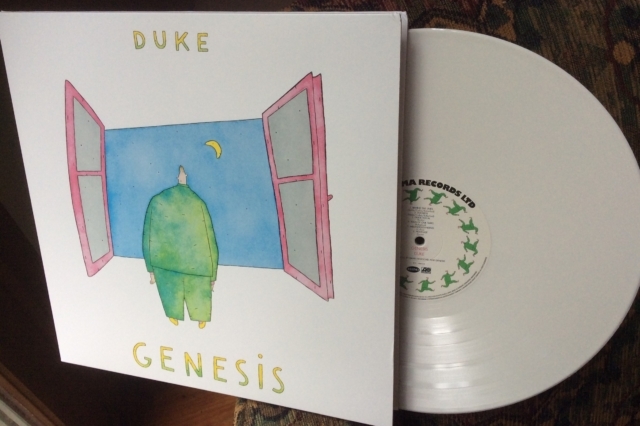
    If you read album reviews of Duke by Genesis from March 1980, many respected music writers then right up to the present day still assume that because singing drummer Phil Collins’ solo career took off during the same period, and because any band’s singer automatically must be that band’s leader, that the other members of Genesis, guitarist Mike Rutherford and keyboardist Tony Banks, unwittingly if not unwillingly followed Collins into the pop mainstream. Phil remains adamant that is not true.

    “We never had a direction,” insists Phil Collins. “We wrote songs. Some of the songs were ten minutes, some were fifteen, some were twenty, some were three. And if they sounded better, if an idea sounded better in a three or four minute format, then we would leave it like that.”

    Mike Rutherford reminded us of the best reason for not handcuffing Genesis into any self-imposed musical restrictions. “Singles get so much visibility with (radio) airplay, MTV videos, etc. that people end up thinking ‘That’s what it’s all about.’…’Pop songs’ is a term people use as an ugly term, yet The Beatles are my all-time favorites and wrote the most wonderful pop songs. I’ve tried to, and it’s not easy. What we used to do is actually a wonderful cop out. You do these long songs by taking a short piece of music, maybe one or two minutes, and then segue into something else. You haven’t had to develop it into a song, which is actually much harder.”

    The demarcation line of the second Genesis band era was  clearly in focus with the March 1980 release of Duke, and then the subsequent Abacab eighteen months later. The veteran English band’s Duke studio album nevertheless  was the first Genesis album to graze the American Top Ten album sales on Billboard, and surprisingly the first Genesis million seller. Yet after the exits of storied lead singer/performance artist Peter Gabriel and lead guitarist Steve Hackett, it is no minor miracle that my guests Mike Rutherford, Phil Collins, and Tony Banks finally could make it to the Progressive Rock promised land. -Redbeard

  • The Police- Ghost in the Machine 45th- Stewart Copeland, Andy Summers

    The Police- Ghost in the Machine 45th- Stewart Copeland, Andy Summers

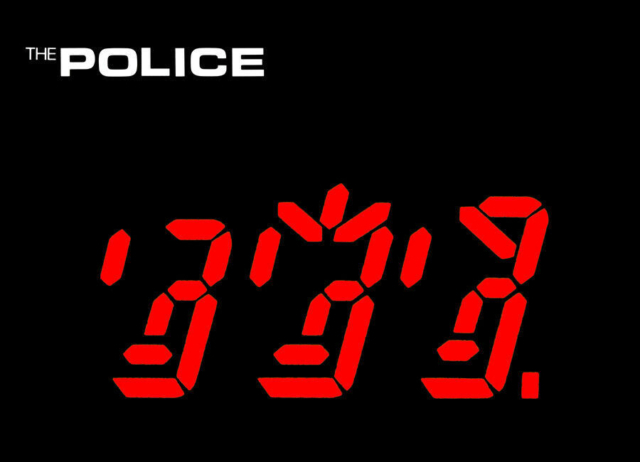
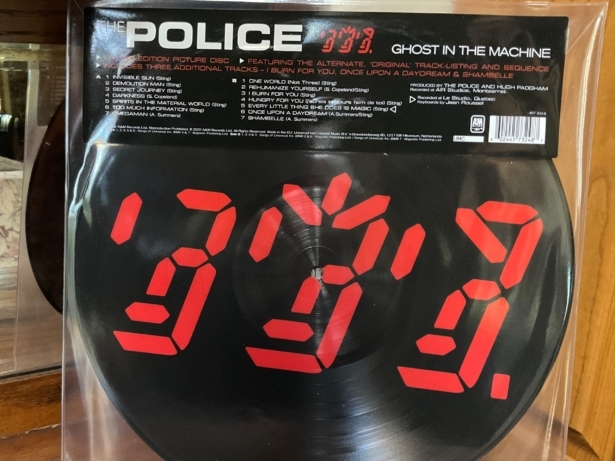
    By the time October 1981 ‘s fourth Police album Ghost in the Machine was dispatched, the exposed roots and influences shown by the London-based trio, founded by Yankee drummer Stewart Copeland, revealed the infectious pop of “Every Little Thing She Does is Magic” and “Spirits in the Material World”, as well as the brooding “Secret Journey”. Turned out that The Police, who had emerged from the dying embers of the London Punk Rock scene , were more Miles, Mingus, and Marley than Johnny Rotten.

    The preceding album by The Police only a year earlier, Zenyatta Mondatta, had been the keystone for these cops of rock, finally unlocking a jailbreak of three Top Twenty hits and selling over a million copies for the first time. With Ghost in the Machine they moved The Police headquarters to the Caribbean island of Montserrat to record a more varied group of song arrangements. The Police line-up included more synthesized keyboards and saxophones on “Spirits in the Material World”,”Hungry for You”,”Omega Man”, the mystical moody “Secret Journey”,”Invisible Sun”, and the huge worldwide hit “Everything She Does is Magic”. The grand jury court of public opinion was virtually unanimous in the affirmative, resulting in Ghost in the Machine topping the UK sales chart, #2 on Billboard  album chart, over three million copies sold in America alone, and Rolling Stone  magazine ranking it at #322 on their Top 500 Albums of All Time list. Police commissioner Stewart Copeland and six-string sharpshooter Andy Summers are your personal Ghost…busters in this classic rock interview. –Redbeard

  • Triumph- Allied Forces- Rik Emmett, Gil Moore, Mike Levine

    Triumph- Allied Forces- Rik Emmett, Gil Moore, Mike Levine

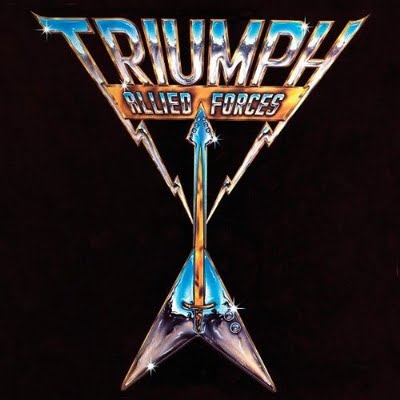
    Not unlike Toronto’s Rush and Vancouver-based Seattle exiles Heart who preceded them, Triumph’s Rik Emmett, Gil Moore, and Mike Levine couldn’t get arrested outside their native Toronto while waiting for a U.S. record label to swoop down like some great speckled bird and sign them. So these three intrepid rockers proceeded to question rock’s conventional wisdom and just do it. If you’ve ever been in a band, you need to listen to this honest, heartwarming, hysterically funny interview which includes the early days of the Triumph 1979 breakthrough Just a Game  with the songs “Hold On” and “Lay It on the Line”, plus the even bigger seller Allied Forces  with “Magic Power” and “Fight the Good Fight” released  in 1981 .- Redbeard

  • ACDC- Back in Black- Landover MD 12-21-81

    ACDC- Back in Black- Landover MD 12-21-81

    This should get you pumped for the fortieth anniversary of AC/DC Back in Black  this month here In the Studio : the band stomping through the album’s title song during a tour stop in December 1981.- Redbeard