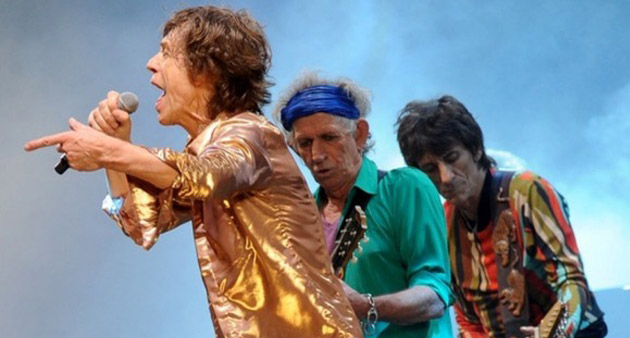
No matter how many times we’ve heard them, I still find the guitar interplay between Keith Richards and Ronnie Wood, two of the greatest rhythm guitarists extant, to be hypnotic, weaving in and out of each other’s phrasing like great conversation. Here are the Rolling Stones in a New York City club as recently as 2023 with a stiletto-sharp performance of “Jumping Jack Flash”.
Tag: Rolling Stones
-

Rolling Stones- Jumping Jack Flash- NYC 2023
-

Black Crowes- Shake Your Money Maker- Chris & Rich Robinson
“With Shake Your Money Maker we thought we would make our one album, you know, and then talk about it the rest of our lives”, sardonically says Black Crowes singer/songwriter Chris Robinson. The never-reticent frontman was joking about the unheralded January 1990 debut which, for fifty-four consecutive weeks, punched way above its weight class until peaking in the Top Five best-sellers in America. At the time, the Eighties pop-metal hair bands were starting to wane due to mousse abuse, and the Grunge guys were in the on-deck circle. The Black Crowes sounded as if the late Small Faces/Humble Pie dynamo Steve Marriott had gone on holiday to Paris and dropped in on the Rolling Stones sessions while recording Exile on Main Street .It is easy to recall that throughout the year 1990 I relished Shake Your Money Maker, this new Atlanta-based band The Black Crowe’s debut album, as a personal guilty pleasure amidst the detritus of a third wave of pop metal hair bands by then. Apparently a whole lotta folks felt similarly, as Shake Your Money Maker would march up the Billboard Album Sales chart over the course of fifty-four weeks, eventually cresting at #4 and selling over a million copies initially. The impressive nine originals co-written by Chris and Black Crowes guitarist Rich Robinson put much-needed soul back into rock’n’roll, including”Twice As Hard”,”Jealous Again”,”Thick and Thin”,”She Talks to Angels”, the gospel-tinged”Seeing Things”, and the impeccable cover of fellow Georgian Otis Redding’s “Hard to Handle”. Starved for such sounds made by passionate musicians playing far beyond their years (guitarist/songwriter Rich Robinson was 21!), the audiences resonated like a tuning fork, with over five million copies sold eventually of Shake Your Money Maker.

Chris, the older singing Robinson, leaves us in my classic rock interview with this observation:”Our regional identities are being stripped away by technology. That is horrible. I did get to grow up in the (American) South. In Atlanta Georgia you were twenty minutes away from the best bluegrass music in the world, or the best blues you’d ever heard. Same music, just different neighborhoods. You know?”
And don’t miss the Black Crowes’ equally impressive followup The Southern Harmony and Musical Companion released two years later, all here. -Redbeard
-

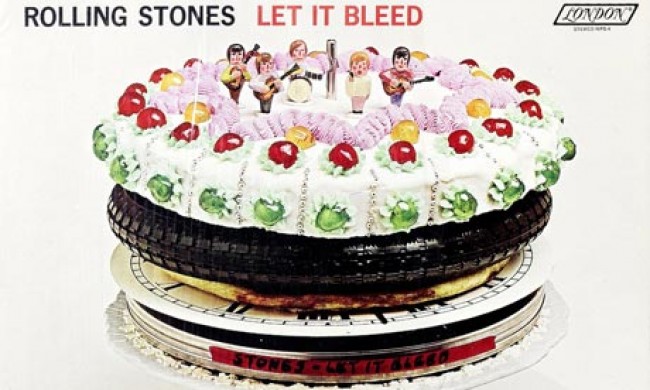
Rolling Stones- Let It Bleed- Mick Taylor, Bill Wyman
So very many impressions immediately come to mind, and conflicting emotions of great joy and admiration compete as well with terrible dread, when referencing the Rolling Stones’ November 28, 1969 masterpiece, Let It Bleed. And that goes double for the Stones themselves who made the landmark recording, including poker-faced original bass player Bill Wyman, and then baby-faced twenty-one year old lead guitarist Mick Taylor, who both join me here In the Studio.The magazine writers at Rolling Stone publication voted as recently as 2020 that Let It Bleed should rank as the #41 album of all time for the music, but here we add the stories of recording “Midnight Rambler”, “Live with Me”, “Monkey Man”, and not one but two quintessential rock classics, “Gimme Shelter” and “You Can’t Always Get What You Want”. The fastest selling Rolling Stones album to date, the artistic and commercial successes of Let It Bleed, and even their notorious image are all tied inexorably to one particular event on the subsequent American tour with a single concert appearance near San Francisco at Altamount Raceway. Both Bill Wyman and Mick Taylor were there for the ramp up, the planning, and eyewitnesses to the violence which effectively slammed the door on the Summer of Love and the Woodstock promise of peace. Of special note in this classic rock interview is Mick Taylor’s eyewitness account of what really happened leading up to, and the day of, the murder during the November 1969 Rolling Stones’ performance. –Redbeard
-

Rolling Stones- Gimme Shelter- Hyde Park London 7-6-13
Normally we reserve this feature to live performances that have been recorded and/or produced by Redbeard, but we make an exception here for several reasons. First, it was the Rolling Stones on their “Fifty (and Counting…) ” tour which was unprecedented for a rock and roll band. Additionally, the London Hyde Park performances of 6 and 13 July 2013 were historic as they marked the Stones’ return to their hometown landmark for the first time in 44 years. The previous time was July 1969, the first gig by the Stones without founder Brian Jones and the first gig for their 21-year old replacement for him, Mick Taylor, who joined me In the Studio along with bass player Bill Wyman who was also there, for the story of Let It Bleed . With the buzz on the excellent rock documentary film Twenty Feet from Stardom, which features interviews with both Lisa Fisher and Mick Jagger who sing this, here is a stunning example of why that story needed to be told. – Redbeard -

Rolling Stones- You Got Me Rockin’- Washington DC 8-1-94
-

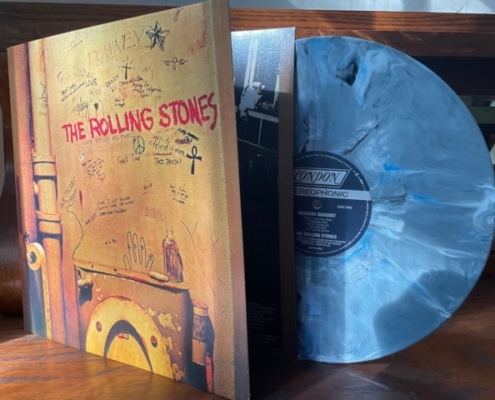
Rolling Stones- Beggars Banquet- Mick Jagger, Keith Richards, Bill Wyman
In addition to watching the Nick Broomfield rock doc The Stones and Brian Jones, don’t miss my Beggars Banquet episode here In the Studio with my interviews of many of the musicians who were actually there, including Rolling Stones original bass player Bill Wyman, Keith Richards, and Mick Jagger. Beggars Banquet was the last to have Rolling Stones co-founder Brian Jones included, and the considered to be the first great Stones album, plotting the unparalleled course forward for the Mick Jagger- Keith Richards songwriting team for the next half century. With songs “Street Fighting Man”,”Stray Cat Blues”, and the diabolical “Sympathy for the Devil”, my ultra-rare classic rock interviews with original Rolling Stones bass player Bill Wyman, Mick, and Keith as guests set the table for a Beggars Banquet.Writing on AllMusic.com, one of our most trusted rock writers Richie Unterberger refers to the Rolling Stones’ 1967 album Their Satanic Majesties Request as “… a fascinating anomaly in the group’s discography.” Four significant things occurred to explain in part why the follow up in late 1968, Beggars Banquet, sounds so completely different: 1) Stones co-founder Brian Jones lost his high-profile model/girlfriend to another man, who just happened to be his band mate Keith Richards; 2) Jones attended the Monterey Pop Festival in full bloom of the San Francisco psychedelic scene but, most conspicuously, without his band; 3) Keith Richards finally found time to actually listen to all of those American blues and r&b records he had purchased on the Stones’ first trip to the U.S.; and 4) the Stones finally let go of their self-conscious competition with the Beatles, and found their own groove in embracing rough-hewn country blues.
There are timeless classics served up at this feast such as “Street Fighting Man” and the leering “Sympathy for the Devil”; chugging bloozy rockers “Stray Cat Blues” and “Parachute Woman”; and musical signposts “Dear Doctor” (their first stab at unabashed country and western) and the under-appreciated “Salt of the Earth”. And that does not count the non-album singles which bookended the album, “Jumping Jack Flash” and “Honky Tonk Women”!
(L-R the late Brian Jones, Keith Richards, Mick Jagger, and Stone alone Bill Wyman)Mick Jagger, Keith Richards, and original Stones bass player and band historian Bill Wyman are our dinner guests in these classic rock interviews. – Redbeard

-

Rolling Stones- Sympathy for the Devil- London Hyde Park 7-2013
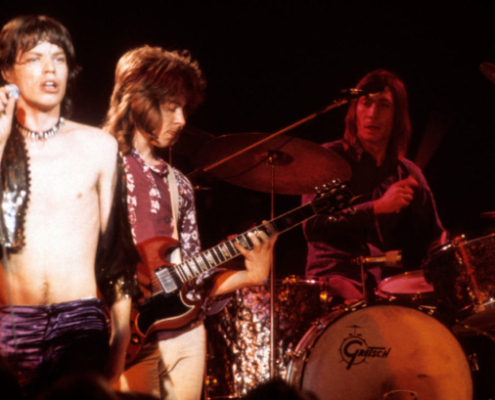
As the seemingly indefatigable Rolling Stones announce new 2024 live dates in support of their new album Hackney Diamonds, we look back ten years to when the Stones were marking another anniversary by reprising their legendary London Hyde Park show of Summer 1969. Here is a remarkable concert performance of “Sympathy for the Devil” from the same locale in July 2013. -Redbeard
-

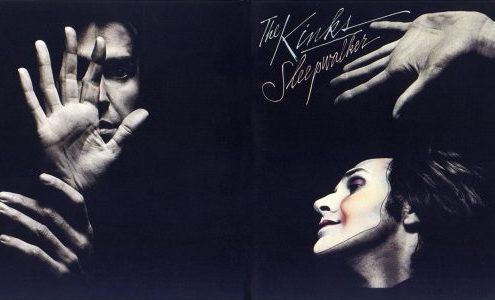
Kinks- Sleepwalker/Misfits- Ray Davies
The Kinks were probably a lock for Rock and Roll Hall of Fame induction for their British Invasion Sixties output alone. But then the first half of the Seventies was tough sledding for them until reclaiming their rock bona fides, starting with February 1977’s Sleepwalker, the Kinks’ sixteenth (!!) studio album, and much of what turned up on 1978’s Misfits. The Kinks’ leader and poet laureate of rock, Sir Raymond Douglas Davies, joins me In the Studio for the stories behind “Juke Box Music”,”Sleepwalker”,”Live Life”, “Rock and Roll Fantasy” (the best Ray Davies ballad since “Celluloid Heroes”), and the title song on Misfits.
Historically lumped into the mid-Sixties British Invasion bands with The Beatles, Rolling Stones, and The Who, London’s lovable Kinks nevertheless took a considerably different, albeit unintended, path into the Seventies, particularly in America. At the era-defining iconic rock events from 1967 to 1977…Monterey Pop Festival, Woodstock, Altamont, Isle of Wight Festivals, Watkins Glen, Day on the Green…where were The Kinks?

Inexplicably, this band who had reeled off a string of Top Ten hits in both the UK and US with “You Really Got Me”,”All Day and All of the Night”,”Tired of Waiting for You”,”Sunny Afternoon”,”Victoria”,”Apeman”, and the timeless “Lola“, all which had helped to define rock’n’roll on radio in the latter half of the Sixties, went MIA there, seemingly sleepwalking through much of the Seventies. But it certainly was not for lack of trying. The exquisite “Celluloid Heroes” appeared on The Kinks’ 1972 album Everybody’s in Showbiz, yet still had disappointing US sales. Ray Davies then wrote a series of musical shows, including 1973’s Preservation Act 1 (a double album, no less); Preservation Act 2 followed a year later; and Soap Opera bubbled up in 1975. Not a one broke into the US Top Fifty sales.

When the opportunity to record for veteran record man Clive Davis’ Arista label appeared in 1976, it came with a corporate caveat: no concept albums. Songs including “Sleepwalker” and “Juke Box Music”, with Ray Davies giving the good-natured nod to critics who felt that his preceding five year output had been too precious for rock’n’roll, helped to put The Kinks back on influential US rock radio in 1977, which in turn permitted them to headline major US arenas for the first time. The momentum continued into the legendary band’s Misfits in early Summer 1978. –Redbeard
-

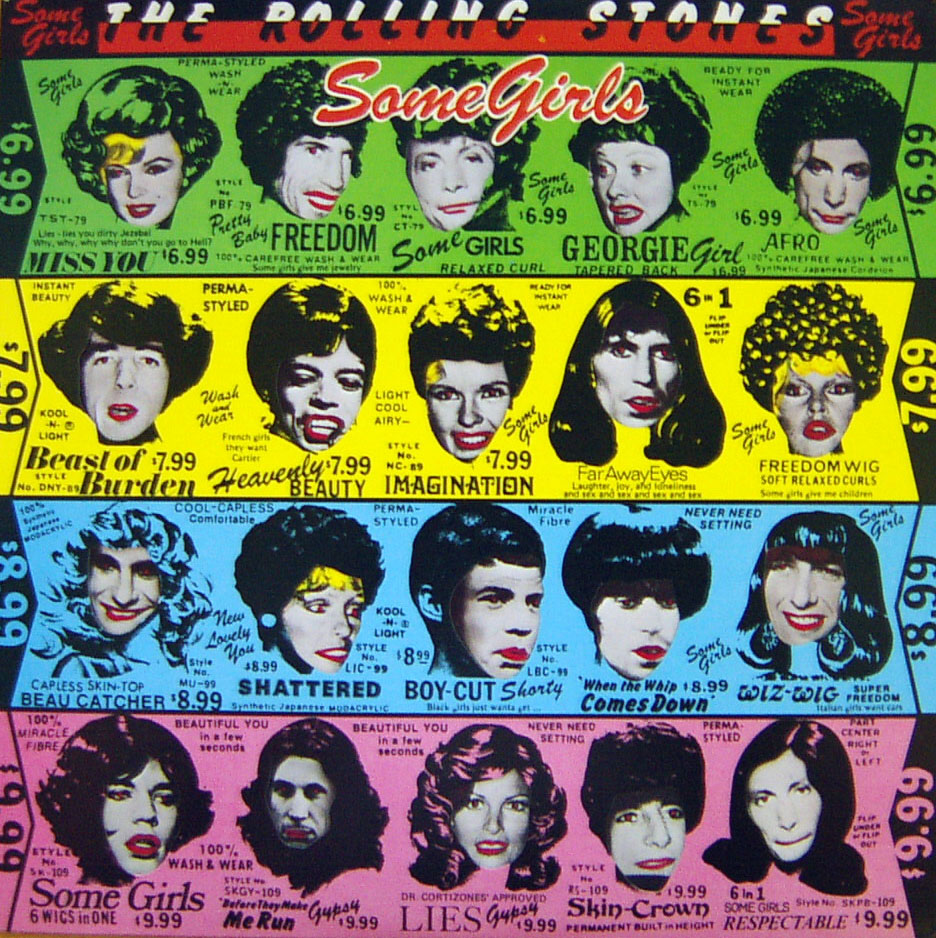
Rolling Stones- Some Girls- Mick Jagger, Keith Richards, Ron Wood
The Rolling Stones’ Some Girls was one of the albums of the Summer of ’78 which makes that season so memorable. Easily the strongest tunestack since Exile on Main Street but with even more variety, Mick and Keef gave us rockers “When the Whip Comes Down”, “Shattered”, and “Respectable”; a stone cold country send-up “Faraway Eyes”; a tasty Temptations cover of “Just My Imagination”; and two megahits which seemed ubiquitous that summer, “Miss You” and “Beast of Burden”.In the Studio writer/producer alumnus Joe Rhodes pointed out to me once that, in spite of the reams of rock commentary written about the Rolling Stones since the May 1978 release of the Some Girls album, precious little was about the music itself. It seemed like everybody who ever had a backstage pass to a Stones show had written a book. There have been countless critiques of Mick Jagger and Keith Richards’ lifestyles; about Mick’s Seventies jet-setting and Keith’s drug taking in the same period; about busts and riots and all manner of rock decadence. But, Rhodes maintains, there had been precious little about the Rolling Stones albums themselves, surprisingly, about the circumstances behind the creation of the music and writing of the songs. On AllMusic.com writer Stephen Thomas Erlewine reminds, “During the mid ’70s the Rolling Stones remained massively popular, but their albums suffered from Jagger’s fascination with celebrity and Keith Richards’ worsening drug habit. By 1978, both Punk and Disco had swept the group off the front pages.”
To trace the circuit to the igniter plug that would spark Some Girls into becoming one of the Stones’ greatest albums ever, you have to go back even further to lead guitarist Mick Taylor’s quitting the band prior to the 1975 World Tour. The guitarist who replaced him, Ronnie Wood then of The Faces, is joined here In the Studio by Mick and Keith for Some Girls.
The first time I interviewed Keith Richards of the Rolling Stones it was January 1989. The band had been on hiatus for the last half of the decade, and seeing into the Stones’ future was at its murkiest. When asked at that time which were his personal favorite Rolling Stones albums, Keith replied, “The body of work from Beggars Banquet up through Exile on Main Street (which includes Let It Bleed and Sticky Fingers ), and Some Girls.” Even as we prepare to make the pilgrimage to The Rolling Stones No Filter Tour, with more than twenty-five studio albums from which to choose, I wager that assessment of Summer 1978’s Some Girls (Rolling Stone magazine ranks it at #468 on their Top 500 All Time list, either a typo or an exposure of blatant absurdity) would place it on any Stones fan’s Top Five list, as well. 
Just look at this tune stack and immediately you see why: flat-out rockers “When the Whip Comes Down”,”Respectable”,” Keith’s rehab rocker “Before They Make Me Run”, and “Shattered” ; the huge hits “Miss You” and the timeless “Beast of Burden”; and the impeccable cover of the Temptations’ “Just My Imagination”. Keith Richards is joined in my classic rock interviews by Mick Jagger, Ronnie Wood, and former Faces keyboard player the late Ian McLagan who played on this Rolling Stones #1 Billboard album and single (“Miss You”). –Redbeard